
A customer sees your product on TikTok at lunch, checks reviews on Shopee after work, then sends a message on LINE before bed. In Thailand's ecommerce landscape, that chat window via your LINE Official Account often decides whether the sale happens, and whether the next sale comes back to you or drifts to a marketplace.
That is why LINE friend growth matters more in 2026 than another burst of follower volume on a public platform, especially within modern digital marketing campaigns. The brands winning now are not chasing the biggest audience. They are building a friend base with clear intent, clean tagging, and reasons to stay past the first coupon.
LINE, developed by Naver Corporation, remains the dominant messaging app and vital mobile messenger where Thai digital behavior turns practical. Recent market data points to about 51 million active users in Thailand, or roughly 85.7% of internet users. At the same time, mobile drives more than 80% of ecommerce sales, and social commerce keeps taking a larger share of online spend. That puts LINE in a rare spot. It is both a messaging app and a commerce layer.
For ecommerce brands, that matters because customer journeys are messy. Discovery might start on TikTok, Instagram, Meta, or a creator livestream, often focused on brand awareness. The first purchase may happen on Shopee, Lazada, TikTok Shop, or your own site. Yet support questions, restock requests, shipping updates, and repeat-purchase nudges often land in LINE.
So LINE should not be treated as a broadcast add-on. A LINE Official Account serves as a bridge between paid media, social content, service, CRM, and retention. A good LINE program captures first-party intent, shortens response time, and gives customers a reason to return without paying a marketplace fee every time.
That is also why weak friend growth hurts. If your account fills with low-intent users who came for a random giveaway, your open rate drops, your block rate climbs, and every message becomes noisier. On the other hand, when friend acquisition is tied to product interest, order status, or a real use case, LINE becomes a profit channel.
In 2026, that funnel can stretch across acquisition, conversion, service, loyalty, and repeat purchase. Rich menus, chat, payments, shopping links, live selling, and newer AI-assisted replies all help. Still, the basics win first: the right promise, the right source, and the right follow-up.
Not every new friend is worth the same amount. A shopper who adds your account from a product page after reading reviews is not the same as someone who joined only to spin a lucky draw. Both count as one friend. Only one is likely to buy twice.
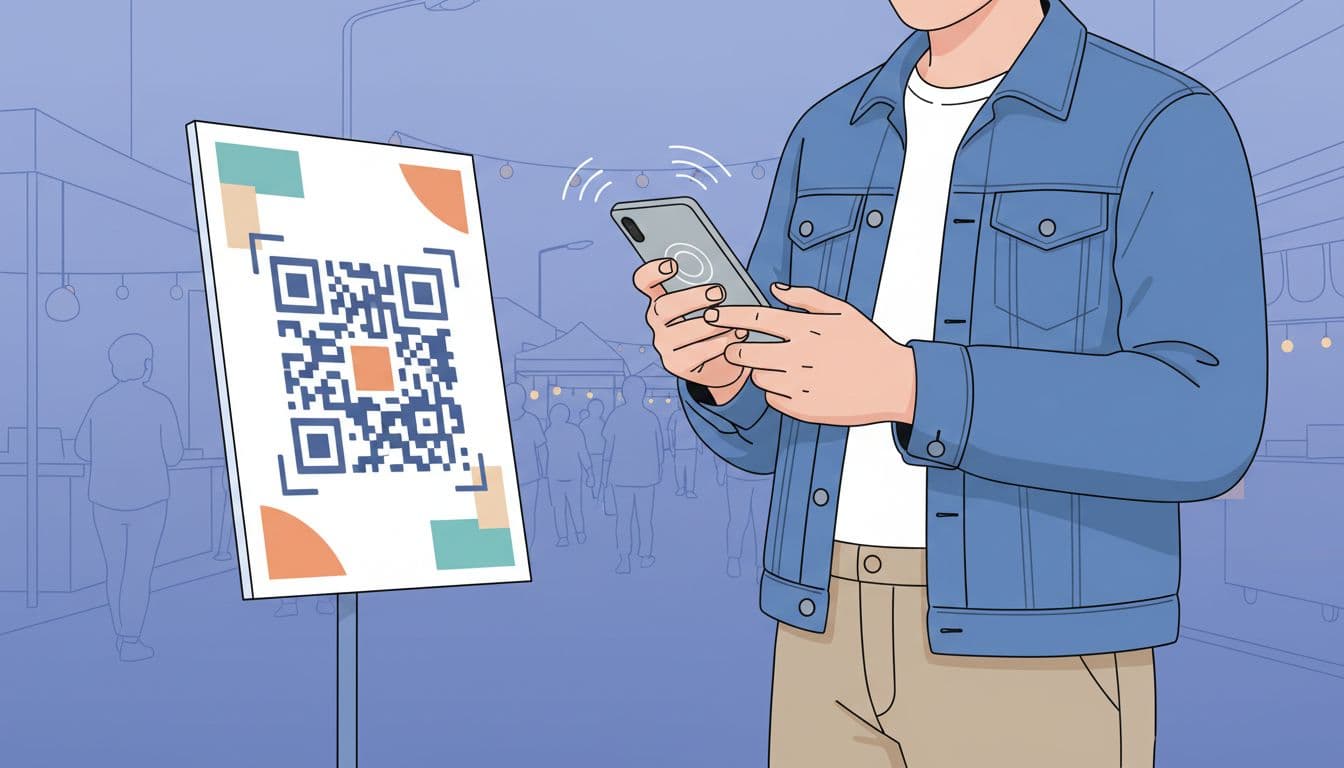
This is where source-based growth becomes the backbone of your plan. A useful habit, recommended in this LINE OA setup guide, is to assign a different QR code or add link to each source for precise tracking. Strategically place these QR codes across key touchpoints like website banners, checkout pages, store counters, live streams, creator posts, parcel inserts, and paid ads. If you cannot tell where friends came from, you cannot tell which channels bring buyers.
The fastest way to improve friend quality is to map sources by purchase intent for your target audience.
| Source | Why people add | Typical intent | Best use case |
|---|---|---|---|
| Product page or site popup | Wants alerts, help, or offer | High | DTC brands |
| Checkout or thank-you page | Wants updates or care info | Very high | All brands |
| Creator or livestream CTA | Wants the featured product | Medium to high | Beauty, fashion, gadgets |
| Gain Friend Ads | Broad but targetable reach | Medium | Scaled acquisition |
| Store QR or event booth | Wants service or local promo | High | Retail and omnichannel |
| Parcel insert after purchase | Wants reorder help or loyalty | High | Marketplace-heavy brands |
The table tells a simple story. The best friend growth on LINE usually comes from moments when purchase intent already exists.
That changes how you budget. Instead of dumping spend into one broad friend-acquisition push, split it into clear lanes. Put one budget against high-intent capture, such as website and checkout. Put another against scale channels, such as creators or paid ads. Then compare not only Cost-Per-Friend, but cost per first buyer and cost per repeat buyer.
The strongest campaigns do not ask people to "follow us for updates." They offer a reason that fits the moment. That reason changes by channel.
If someone is already on your website, their intent is warmer than almost any cold ad audience. Use LINE add prompts after meaningful actions, not on the first page load. A visitor who viewed two products, opened your size guide, or reached cart is a better target than a random homepage bounce.
Your copy should be direct. Offer restock alerts, shade matching help, order updates, or early access to the next drop. If you sell supplements, promise refill reminders and usage tips. If you sell home goods, offer warranty help and care guides. The value must feel useful even if the customer never redeems a discount.
For scale, use LINE Ads with care. Gain Friend Ads can work well, especially when paired with strong audience targeting and exclusive promotions, but LINE requires a Verified Account for this route. Paid friend acquisition is most efficient when the ad promise and the first LINE message are the same. If the ad says "Get first access to 11.11 bundles," the welcome flow should start there, not with a generic brand intro.
Creator-led traffic is also strong in Thailand's creators market because the trust transfer is immediate. The trick is to avoid vague calls to action and incorporate character storytelling for native-feeling content. A beauty creator should invite users to add LINE for a shade chart or limited bundle. A gadget reviewer can send traffic for setup tips or warranty support. The message must feel native to the content.
When TikTok, Meta, creators, and LINE all feed the same campaign, the handoff matters. Teams that need tighter coordination across channels often rely on a social-first content agency Thailand to keep the promise consistent across media, creator scripts, and chat assets.
Retail stores, pop-ups, and package inserts still work because they hit people at a moment of real interest. Put QR codes on shelf talkers, receipts, fitting-room mirrors, thank-you cards, and unboxing inserts to link in-store activities and promotional activities with a seamless offline-to-online handoff. However, match the benefit to the touchpoint. In-store shoppers may want branch promos or stock alerts. Parcel recipients are better candidates for loyalty points, re-order reminders, and care help.
For marketplace sellers, post-purchase is often the only realistic point to build a direct relationship. Do it carefully. Do not use tactics that clash with marketplace rules or mislead buyers about support channels.
A weak new friend incentive fills the list and empties the wallet. A strong one filters for people who are likely to buy, ask, or come back.
Broad discounts still have a place, but they should not be your main LINE friend growth engine. If the only reason to add your account is "Get 20 baht off," you invite coupon collectors. They pad your count, ignore most messages, and disappear at the next sale.
Instead, build new friend incentives around product utility and timing (or high-value hooks like digital LINE stickers or physical merchandise). Offer back-in-stock alerts for limited sizes. Give first access to monthly bundles. Share a replenishment reminder for skincare or pet food. Let customers unlock fast service, warranty support, delivery tracking, or a loyalty balance view. These are reasons a buyer remembers. For higher-tier appeal, look to the character IP business model, such as BT21 (managed by IPX Corporation and created by a South Korean designer). It uses IP licensing to fuel promotional activities and exclusive promotions that attract quality friends.
A practical rule helps here: the incentive should match a reason to purchase, not a reason to collect freebies. That is why many Thai operators still rely on useful rich menus, service shortcuts, and steady content, an approach echoed in this Thai LINE OA guide.
Your add-friend offer should make the next step easier for a buyer, not merely sweeter for a bargain hunter.
For Thailand-based brands, a few offers tend to pull better-quality friends:
Keep the terms clear. Tell people what they get, when they get it, and how often you will message. That protects trust and keeps complaints low.
Once a new friend joins your LINE Official Account, the first few messages decide whether they stay. Many brands still waste that moment with a generic greeting, a giant discount tile, and no path forward. That is lazy CRM. It also burns good traffic.
Start with basic segmentation as soon as the friend is added. Tag by source, campaign, product interest, lifecycle stage, and purchase status. If you can sync more data, add average order value, location, and last purchase date. Keep it light at first. One useful click tells you more than a long form nobody completes.
Rich messages and menus help, but the structure matters more than the artwork. This Thai article on LINE OA tactics is right to stress targeted messaging and channel-specific offers. A welcome flow, adapted to Gen Z trends, should feel like a short guided path, not a loud sales blast.
A simple 72-hour flow works for many ecommerce brands:
After that, split the journeys. Browsers should get lighter education and reminders. Buyers should move to post-purchase care, reorder timing, loyalty prompts, and review collection. High-value customers can receive earlier access and stronger concierge support.
Respect privacy while you build that system. Be clear about what data you use and why. Under Thailand's PDPA, vague consent and sloppy syncing create risk. Also, do not hammer new friends with daily sales pushes. Helpful cadence beats noise.
A rising friend count looks good in a report. It means little if those people never click, buy, or return. Unlike vanity metrics like brand awareness, strong LINE friend growth is measurable because it connects channel inputs to money, not only to audience size.
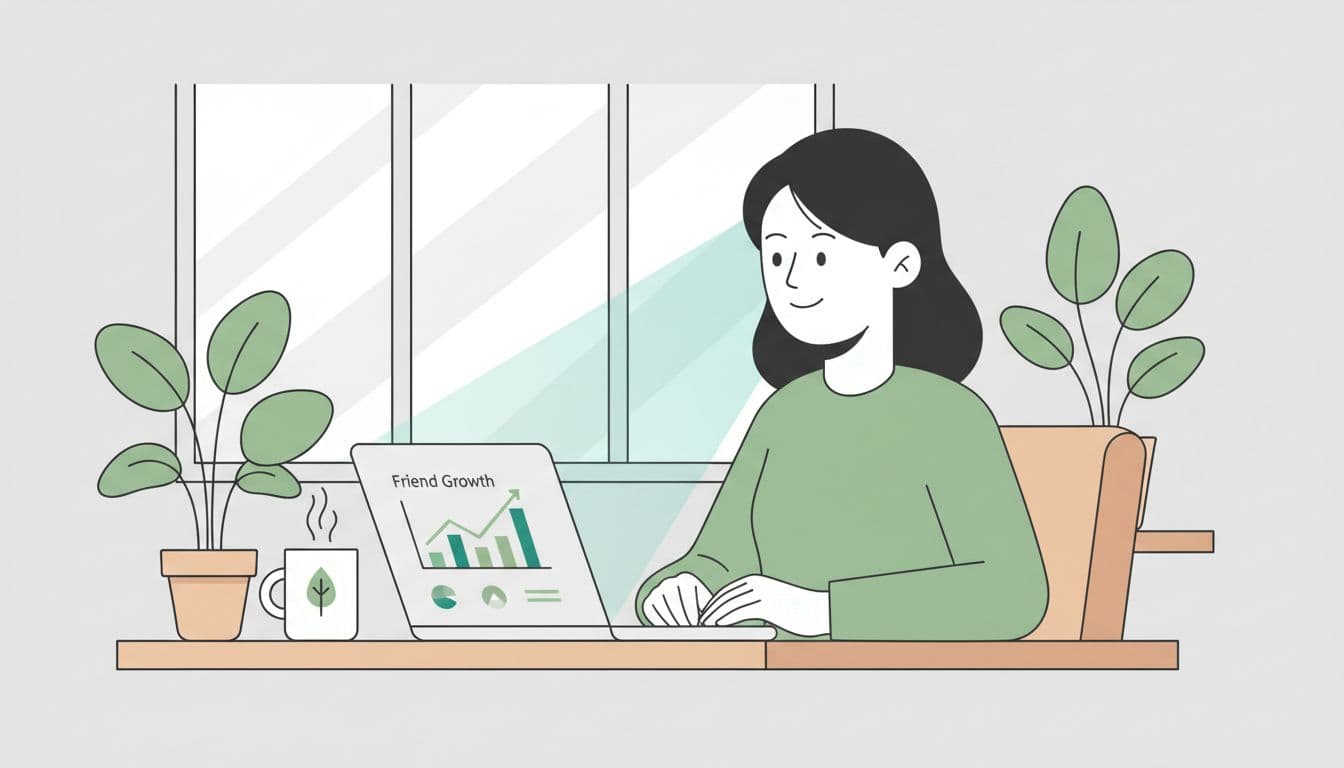
Most teams need one dashboard that ties source, message, and order outcome together. Keep it simple enough to review every week. These numbers matter most, as they prove the value of your acquisition strategy with actionable data like Cost-Per-Friend:
Those metrics tell you where to act. If paid ads bring cheap friends but poor first-purchase rate, the offer is weak or the audience is wrong. If checkout capture drives fewer friends but higher repeat rate, put more attention there. If one creator source produces higher order value, give that partnership more room.
As a rough working benchmark in Thailand, healthy broadcast programs often stay above 60% opens, while block rate should stay under 5%. Treat those as warning lines, not fixed laws.
If friend count rises while 30-day buyers do not, you bought attention, not demand.
Run your reviews by source. That matters because website friends behave differently from store QR friends or creator-led adds. Without source cuts, the average hides the truth.
If you are a small or mid-sized brand, keep the system tight. One strong add-friend offer, one welcome flow, one repeat-purchase segment, and one weekly message beat a messy stack of half-built automations. A premium ID, clear rich menu, and disciplined tagging often create more lift than fancy tooling. That basic approach is also highlighted in this LINE OA guide for Thai SMEs.
SMEs should focus first on high-intent capture points: product pages, checkout, parcel inserts, and live selling. These sources cost less and convert better. Keep message volume modest and useful.
Larger ecommerce brands have a different job, especially those pursuing global expansion through global partners. They need shared source taxonomies, CRM sync, branch or region tags, service automation, and lifecycle programs tied to category behavior. Leveraging a character IP business strategy with assets like BT21 opens doors to merchandise and IP licensing opportunities, while physical retail and pop-up stores serve as key acquisition points for a large-scale LINE Official Account strategy, as BT21 demonstrates through its successful IP integration. A beauty brand may need separate flows for acne care, anti-aging, sunscreen, and refill timing. A retail chain may need local inventory or store-level promos. Scale brings more data, but also more chances to send the wrong message to the wrong segment.
That means governance matters. Align media, CRM, ecommerce, and customer service around one contact strategy. Otherwise, your paid team buys friends, your CRM team blasts them, and your service team deals with the fallout.
LINE dominates with 51 million active users in Thailand, bridging discovery on TikTok or Shopee to service, retention, and repeat buys via Official Accounts. It captures first-party intent without marketplace fees, turning messy customer journeys into direct profit channels. Weak friend growth from low-intent sources drops opens and raises blocks, while quality growth builds loyalty.
Map QR codes or add links to intent-based sources like website popups, checkout pages, store counters, and parcel inserts for precise tracking. Budget separately for high-intent (e.g., DTC capture) vs. scale (e.g., Gain Friend Ads, creators), comparing cost per friend to cost per buyer. The best growth ties to moments of real product interest, not random promotions.
Skip broad discounts that attract coupon hunters; focus on product utility like back-in-stock alerts, early drops, refill reminders, or service shortcuts such as warranty support. Match offers to the source—loyalty for post-purchase, stock checks for browsers—to ensure the incentive eases the next buy. Clear terms on frequency and value build trust under PDPA rules.
Send promised value immediately, then tap-based preference questions within 24 hours, followed by a relevant push in 72 hours. Tag by source, interest, and stage for segmentation into browser education or buyer care paths. Keep it light, helpful, and privacy-compliant to boost clicks and reduce early unsubscribes.
Prioritize net friends by source, cost per first/repeat buyer, welcome click rates, 30-day purchase rates, revenue per 1,000 friends, and block rates over total count. Review weekly by channel to shift budget from low-converters like cheap ads to high-repeat sources like checkout. Aim for 60%+ opens and under 5% blocks as health benchmarks.
The Thai ecommerce brand that wins on LINE in 2026 is not the one with the loudest coupon. It is the one focused on quality over quantity in LINE friend growth, giving each new friend a clear reason to join, a clear path to buy, and consistent value to build a loyal fan base.
That is the real shape of LINE friend growth. It starts with intent, gets stronger with segmentation, and pays off when the chat thread becomes a repeat-purchase habit for your loyal fan base, instead of a one-time promotion.


