
A Shopee page has a hard job. It must win the click, calm doubt, and close the sale on one small screen.
That is why Shopee product optimization matters so much for Thailand consumer brands. If your beauty serum, snack pack, refill pouch, or health item looks vague beside ten similar listings, shoppers keep scrolling.
The fix is rarely dramatic. Usually, a stronger title, clearer first image, sharper Thai copy, and better promo framing do the work.
On Shopee Thailand, discovery starts before the shopper reads your full page. The thumbnail, title, price, badge, and rating do most of the selling work. Because most traffic is mobile, your listing has only a brief moment to look relevant.
April 2026 campaign activity shows how quickly demand moves. Songkran lifted seasonal searches, while Beauty Day and FMCG Day created sharp windows for beauty, skincare, snacks, soap, and daily-use goods. So your page should match both the product and the buying moment.
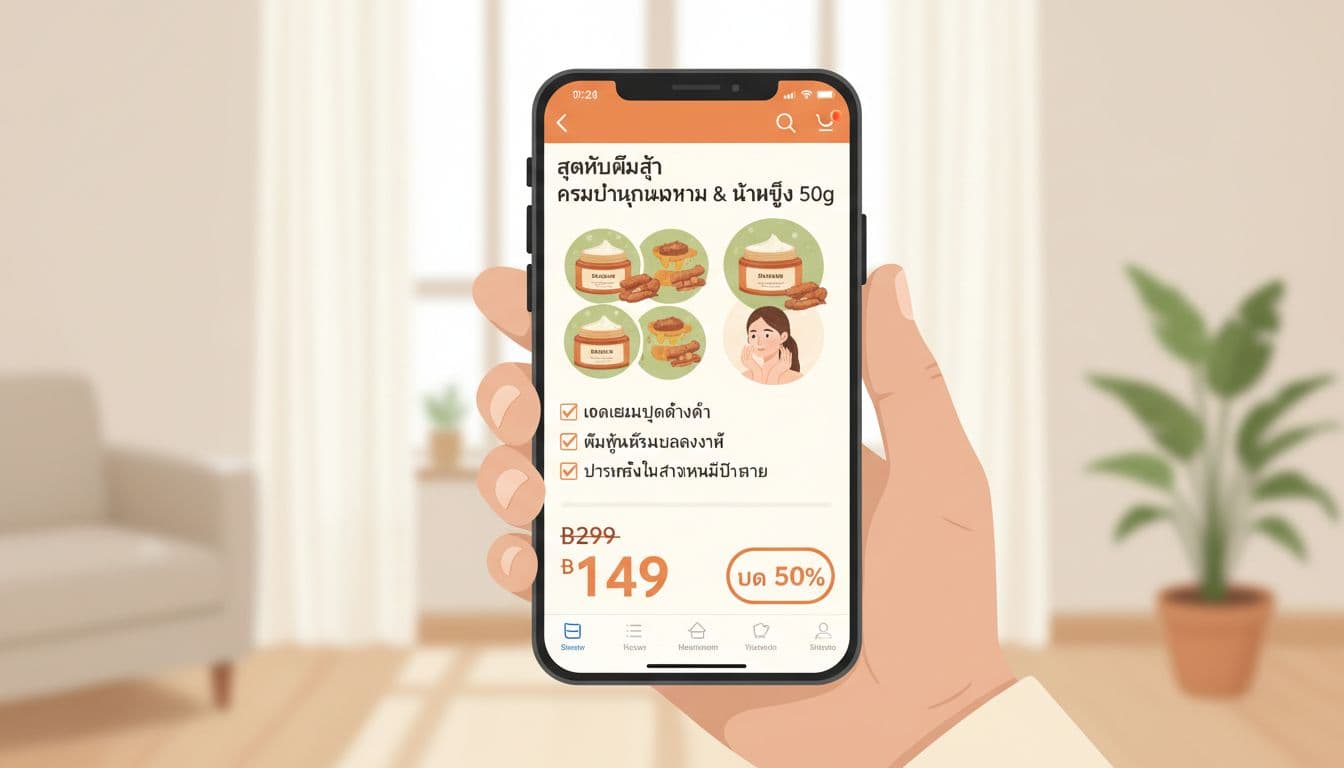
Start with the title. Put the main search phrase in the first 20 characters when possible. Lead with the product type and use case, then add brand, variant, size, or benefit. A Thai-facing title often performs better when the core phrase sounds like real buyer language, not an internal naming system. If the brand term is English, keep it, but place it after the Thai lead phrase.
Your first image should look clean at thumbnail size. Show the pack clearly. Add size cues through shape, texture, or context. For beauty, lead with pack and texture. For household, show format fast, such as refill pouch versus bottle. For food and beverage, make flavor and pack count easy to grasp in a blink.
Use this quick standard when reviewing a page:
ElementWhat good looks likeThailand tipTitleProduct type first, then variant and sizeMirror Thai search phrasingMain imageClear packshot with strong contrastMake size and format obviousPrice areaDiscount feels real, not confusingPair with vouchers or bundles during campaign days
Fill every relevant attribute as well. Brand, size, scent, skin type, flavor, material, and pack count all help Shopee match your item to the right shopper. For title structure ideas, this Shopee product title guide is a useful reference, and this listing optimization walkthrough shows how small fixes stack up.
On Shopee, the thumbnail earns the tap. The page earns the basket.
Once the click happens, doubt becomes your real enemy. If the page feels thin, cluttered, or vague, add-to-cart drops fast.
Your first screen should answer four things at once: what it is, who it's for, why it's safe to buy, and what the shopper gets. That means clear visuals, short Thai copy, visible rating signals, and a price setup that doesn't force extra thinking.

Descriptions work best when they read like a store staff member speaking clearly. Use short sections, not walls of text. For skincare, show skin concern, texture, key ingredients, size, and how to use it. For health products, be precise and compliant. For food, highlight flavor, pack count, storage, and expiry context. For household items, spell out dilution, refill fit, or scent strength.
Images after the hero frame should remove doubt one layer at a time. Show the back of pack, texture, ingredients, scale, usage, and real-life context. A short product video helps, especially for beauty and personal care. Keep it easy to understand without sound, because many users browse in public.
Trust also lives in the details around the page. Fast shipping, response rate, authentic brand signals, good review photos, and clear variant names all lift conversion. If shoppers must decode "01", "02", and "03", you are making them work too hard.
For many brands, creator-style content improves dwell time because it feels more native to how Thai shoppers browse. Teams building that mix can learn from social-first strategies for Thai D2C brands.
Shopee rewards pages that move. A listing with solid click-through, healthy add-to-cart, recent sales, and low friction usually gains more visibility over time.
That means promotions should support the page, not cover up weak basics. For beauty and personal care, bundles often work better than deep single-SKU cuts. For FMCG, multi-pack savings and free shipping thresholds can beat flat discounts. For high-ticket products, campaign-led installment offers matter more. In late April 2026, Price Lock and category day mechanics have made promo clarity even more important in Thailand.
Ads also work better after the page is fixed. If the title is muddy or the first image is weak, paid traffic only buys faster failure.
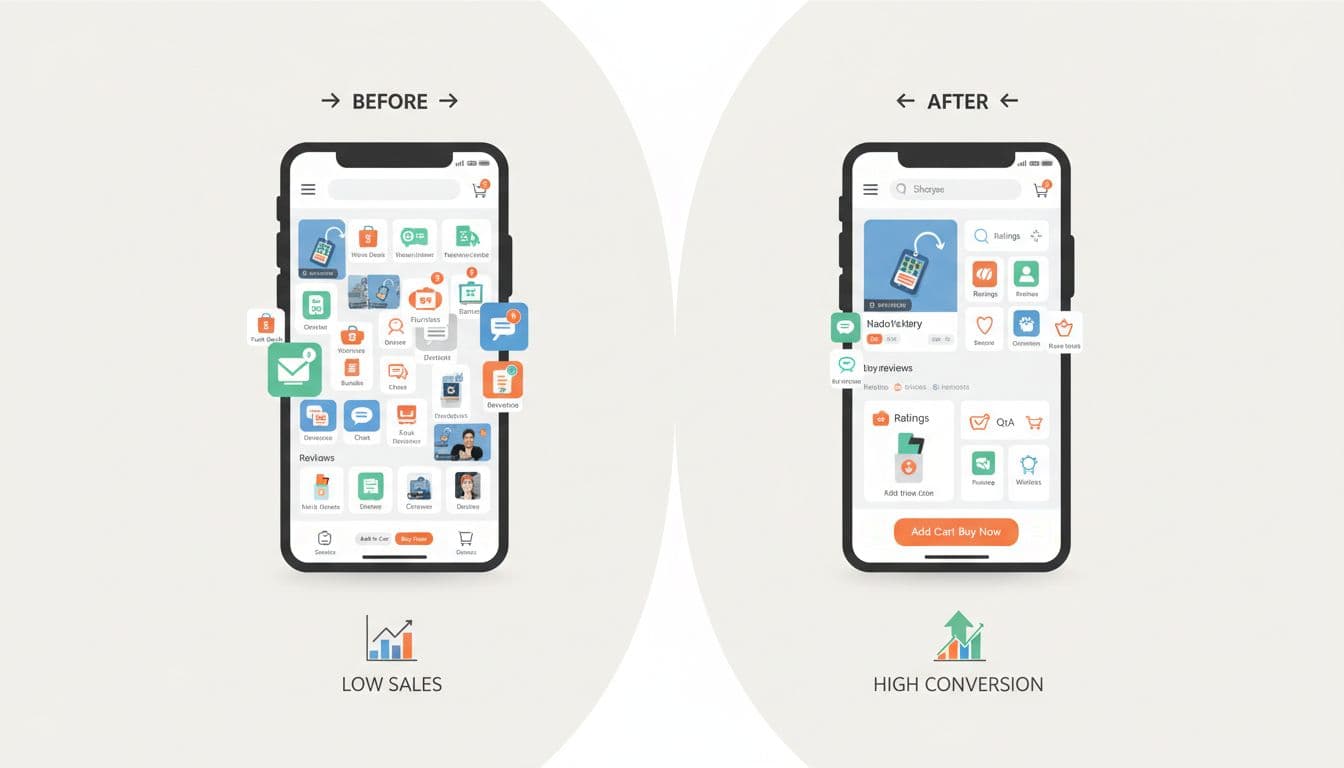
Measure page performance like a merchandiser. Watch CTR, add-to-cart rate, conversion rate, refund reasons, and review themes. Then change one thing at a time. Test a new hero image before rewriting the whole page. Try clearer variant labels before changing price. Refresh creative ahead of campaign dates, not after they pass.
A sunscreen brand, for example, may swap its lead image and title before Beauty Day. A snack brand might push bundle logic before FMCG Day. A household cleaner can raise conversion by showing refill compatibility in image two, not in paragraph six.
Seller teams that track search shifts and campaign timing closely often move faster. This Shopee Thailand campaign report is a helpful example of the kind of signal to monitor.
Shopee product pages rarely fail because of one big mistake. Most lose because five small doubts pile up on a mobile screen.
When the title is clear, the images answer questions, and the offer fits the moment, your listing starts to feel easy to buy from. That is the real work of Shopee product optimization.
If your team wants a sharper read on Thai e-commerce shifts, sign up for ecom insights report.


