
A creator post can feel like a friend's tip. A brand ad can feel like a billboard. Whitelisting sits between those two, and that's why more Thai marketing teams want a creator whitelist Thailand amid the booming creator economy.
If you want paid social control without losing creator trust, it gives you a cleaner path over traditional influencer marketing. The hard part isn't buying media. It's permissions, contracts, approvals, and reporting that don't break when the campaign gets busy.
Start with the structure first, then turn user generated content into media.
In Thailand's thriving digital economy, where the government pushes soft power through content creators, people often mix up three different things: creator whitelisting, influencer boosting, and TikTok Spark Ads. They overlap, but they aren't the same.
Whitelisting, often called allowlisting or UGC whitelisting, means a content creator gives the brand or agency permission to run ads from the creator's identity. The brand usually controls audience, budget, placement, and testing. Boosting is lighter. You put spend behind an existing post, with less room to change creative or build full-funnel tests. On social media platforms, TikTok Spark Ads can be one technical route for creator whitelisting (similar to branded content on Meta), but Spark Ads are a format, not the whole model. This TikTok creator whitelisting breakdown explains that distinction well.

A quick comparison helps:
| Model | Who owns the post | Media control | Best use |
|---|---|---|---|
| Whitelisting / allowlisting | Creator account, with brand permission | High | Scaled paid social from trusted creator handles |
| Influencer boosting | Existing live post | Low to medium | Short bursts, simple amplification |
| Spark Ads on TikTok | Existing TikTok post or authorized identity | Medium to high | Native-feeling TikTok distribution |
There is one more wrinkle. TikTok Shop uses "creator allowlist" in a separate social commerce sense. As of March 2026, public summaries show creators in Thailand generally need 1,000 followers, must be 18+, pass identity verification, and keep a clean policy record to apply through Creator tools. That's different from paid media permissions. If your plan includes affiliate sales and paid ads, map both tracks early.
If the team can't explain who controls the ad account, the audience, and the usage rights, the whitelist isn't ready.
The best whitelist programs look boring on paper. That's a compliment. They run on written rules, not chat screenshots.
First, decide the scope. Will creators authorize only existing posts, or can the brand cut new versions from raw footage? Will usage rights stay in Thailand, or extend across Southeast Asia? Set the time window up front. Thirty, 60, or 90 days works well for most tests. Also name the platforms, such as TikTok only, or TikTok plus Instagram and Facebook.
Next, lock the permission method. Never ask creators for passwords. Use platform-level ad authorization, partner access, or whitelisting codes where available. The brand should keep billing and audience ownership. The agency can run campaigns, but access should stay role-based. Many regional teams use a local operator for creator-led campaigns for Thai social platforms because Thai-language review, culture fit, and response speed matter.
Then, get the contract right. Your addendum should cover handle names, paid media rights, usage rights, intellectual property protections, editing limits, approval turnaround, brand safety rules, disclosure language, termination rights, and who can pause ads. Creators protect their personal branding through these approval loops. If you plan to use customer lists, promo codes, or Shop affiliate data, ask Thai counsel to confirm PDPA handling, digital rights, and sector rules, especially in health, finance, and alcohol. Also consult the Electronic Transactions Development Agency regarding digital contract standards, while staying aware of online piracy risks and the Special 301 Report on IP enforcement in the region.
For example, a Bangkok skincare brand might sign 12 UGC creators for a 60-day test. Each UGC creator delivers two organic videos and grants ad authorization on the top performer only. The brand owns media spend. The agency gets campaign access. The creator approves copy changes within 24 hours. The result feels less like improv and more like a stage plan.
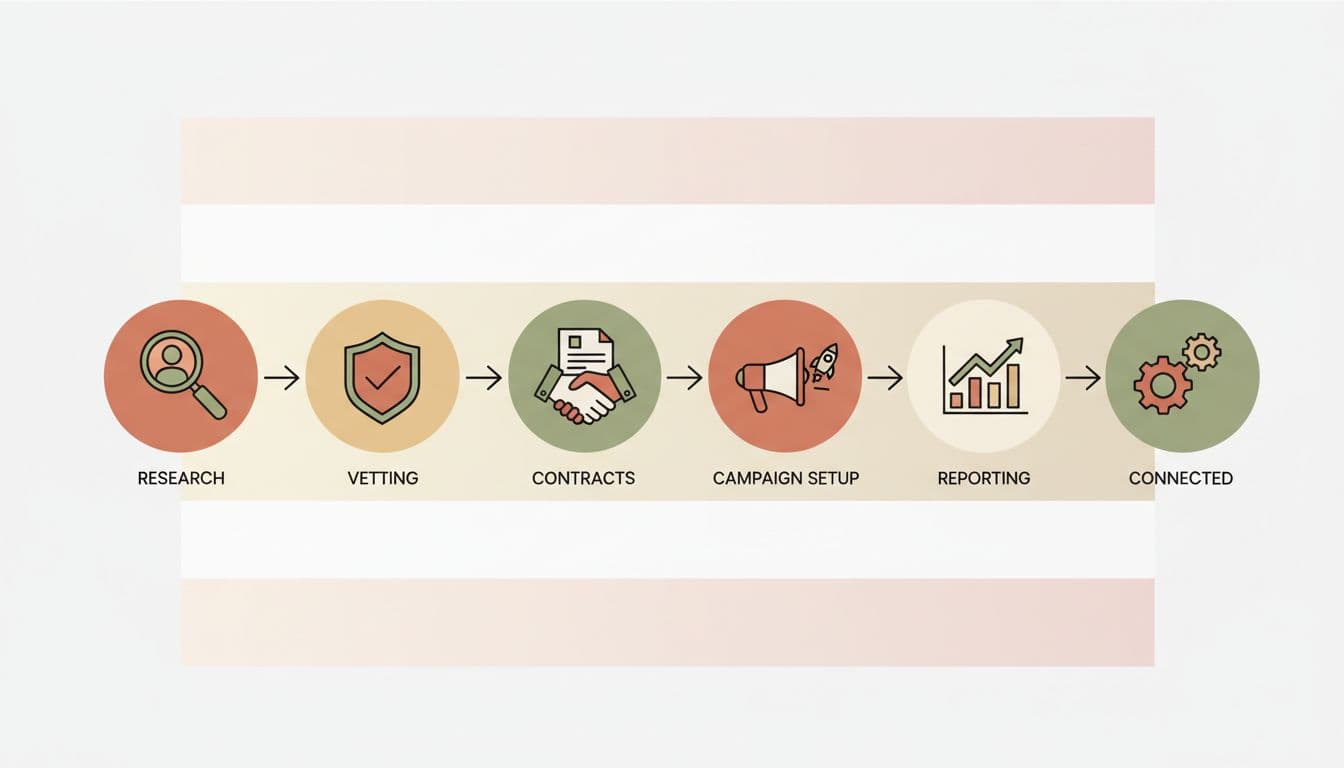
Once permissions are live and advertiser verification is complete, build a flow that protects speed. Without it, campaigns stall in chat threads and content goes stale.
Start with a three-step approval chain. The creator signs off on likeness and tone. The brand checks claims, offers, and comment risk. The media team approves final ad variants, audiences, and spend. Keep response windows short, 24 hours for copy, 48 hours for video trims. If nobody replies, the contract should state what happens next.
For setup, name campaigns by creator, asset, objective, and date. Use separate UTMs, creator codes, or TikTok Shop affiliate IDs so sales don't blur together. Also split testing by variable, such as custom audiences. Don't change hook, offer, and audience at the same time. On TikTok, public guidance on Spark Ads at scale is useful for understanding authorization and scaling patterns. For Meta ads, public Thailand-specific allowlist steps remain limited as of March 2026, so use a general Meta whitelisting setup guide as a working reference, then confirm the live workflow in Facebook Business Manager or with your platform rep while executing campaigns in Ads Manager.

Reporting should go past vanity numbers in this performance marketing approach. Track CPM, hold rate, CTR, CAC, ROAS, assisted sales, and comment quality for Meta ads. In Thailand, language matters here too. A creator may pull strong clicks but weak purchase intent if the tone feels too urban, too premium, or too central-Bangkok for the target region.
Read results in layers. First, ask whether the creator identity helped. Next, check whether the script or hook did the work. Then review audience quality. This keeps you from cutting a good creator because one weak offer dragged down the ad. Most importantly, refresh creative fast through a strong creative strategy. Whitelisting loses power when the ad starts to look like an ad, even as you eye expansion to streaming platforms.
A strong creator whitelist isn't built in Ads Manager. It's built in the permissions, the paperwork, and the review loop before the first baht goes out.
If your current process still depends on DMs and screenshots, fix that first. Build a repeatable system, then scale spend once the machine is stable.


