
If your team still treats google demand gen thailand like display with nicer creative, you're missing the point. In Thailand, discovery often starts on a phone, moves through short video, and ends on a marketplace, brand site, or store visit.
That makes Demand Gen a strong bridge between awareness and action. For consumer brands in 2026, the winners won't run it as a side test. They'll build it into the full media system.
Thai shoppers rarely move in a straight line. They spot a product on video, ask a friend in chat, compare prices on a marketplace, then search the brand name later. Demand Gen fits that messy path because it places visual ads where attention already lives, across YouTube, Discover, Gmail, and, in some eligible accounts, newer surfaces like Maps.
For beauty, snacks, personal care, fashion, and home products, that matters. Search catches intent after it forms. Demand Gen helps shape intent before the search ever happens.

Google's own February 2026 Demand Gen update says advertisers using at least three of its four best practice groups saw over 40% more conversions on average. That lines up with what Thai consumer brands need now, more reach than Search, but better conversion intent than broad awareness buys.
In Thailand, the ad that wins often feels like a trusted social post, not a polished TV cut.
So creative has to match local behavior. Short vertical video works better than long brand films. Thai language should sound native, not translated. Local faces help. Price, bundle, or product payoff should appear early, because the thumb moves fast. A clean landing page also matters, since mobile traffic dominates and patience is short. Brands that need market-ready creative often pair Demand Gen with stronger Social Media Marketing in Thailand support, so asset refresh doesn't fall behind media spend.
Localization goes beyond copy. Songkran tone is different from 11.11. Bangkok beauty shoppers don't respond like upcountry family buyers. As Thailand social media usage remains intense in 2026, Demand Gen works best when it feels close to culture, not imported from a regional brand deck.
A good 2026 plan doesn't ask which platform is best. It asks which job each platform should do.
This quick view helps frame the decision:
| Channel | Best use in Thailand | Main watch-out |
|---|---|---|
| Demand Gen | Build demand with visual ads, then drive new customer actions | Needs fresh creative and enough conversion data |
| Search | Capture high-intent demand already in market | Limited when people don't know your brand yet |
| Performance Max | Scale lower-funnel sales across Google's inventory | Less control over message and placement |
| Meta | Reach broad audiences fast with social-native creative | Can fade quickly when creative gets tired |
The simple read is this: use Search to harvest, Performance Max to scale, Meta to spark attention at volume, and Demand Gen to connect discovery with purchase intent.
For many Thai consumer brands, Demand Gen beats Search when the product needs a nudge, not a query. A new sunscreen line, snack launch, or premium rice cooker often needs visual proof before people search. It can also beat Meta when you want stronger Google-side buying signals, cleaner intent, and better handoff into branded search or site action.
Meanwhile, Performance Max works best when your feed, tracking, and conversion history are already strong. Demand Gen usually plays earlier in the journey, or as a controlled creative layer beside PMax. That's why many teams now run them together instead of forcing one to do both jobs. That mirrors broader 2026 marketing thinking from Think with Google, where integrated systems beat isolated channel tests.
A warning matters here. Features such as Lookalike segments, new customer goals, or expanded placements can differ by account or market. Still, the operating rule stays the same: don't reset campaigns every few days. Google needs stable signals, and many accounts still need around 50 conversions before learning settles.
Start with audience design, not targeting tricks. Use first-party lists from purchasers, CRM, LINE, loyalty, or site visitors. Then split prospecting from retention. Prospecting should exclude recent buyers and aim for new customer growth. Retention can push bundles, refills, and cross-sell products.
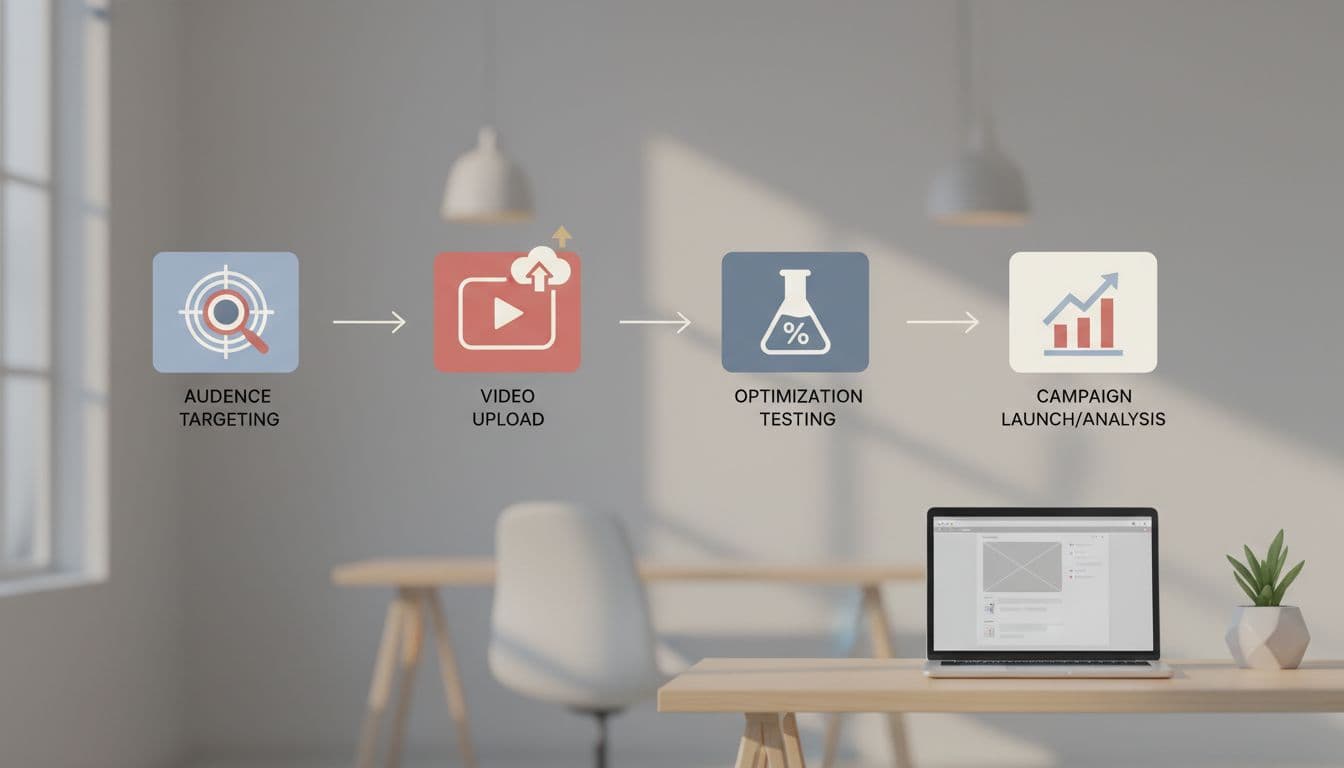
Next, build creative in sets. One polished brand video isn't enough. Thai consumer brands need at least three angles: creator-style product proof, offer-led promo creative, and simple lifestyle use cases. Mix video with images, because YouTube, Discover, and Gmail don't reward one format alone. If your ad strength stays weak, reach and efficiency usually suffer.
Then line up media with retail reality. If your product is heavily promoted on Shopee, Lazada, TikTok Shop, or modern trade, Demand Gen creative should reflect that moment. Don't run premium storytelling while the shelf is shouting about a flash sale. Seasonal planning also matters. Songkran, Mother's Day, back-to-school, 9.9, 11.11, Chinese New Year, and year-end gifting all need fresh hooks, because stale creative burns fast.
Track a small KPI set, not a dashboard zoo:
Finally, protect measurement. Clean GA4 setup, solid Google tags, and offline sales imports give the system better signals. Without that, Demand Gen can look softer than it is, especially for store-led brands or brands selling through retail partners. As broader PPC guidance for the Thai market keeps showing, localization and tracking usually decide performance before bidding ever does.
The brands that win won't ask Demand Gen to do every job. They'll ask it to do the right job.
In 2026, google demand gen thailand works best when creative is local, tracking is clean, and the channel sits between social discovery and lower-funnel capture. Audit those three points first, then shift budget with intent.


