
Shopee affiliate growth in Thailand doesn't come from joining the program. It comes from matching the right creator, product, offer, and sale moment.
Too many brands still treat affiliate as a side channel inside marketplace ops. In 2026, that leaves money on the table. Thai shoppers move through short video, live demos, comments, price checks, and then checkout. Shopee affiliate activity in Thailand works best when it's built like a sales system, not a sign-up page.
That shift starts with how Thai consumers buy now, and what creators actually influence on Shopee.
Thailand's shopper journey is shorter, but it isn't simpler. A buyer might see a creator clip at lunch, watch a Shopee Live session after work, compare prices at night, and place the order during a voucher window. That means affiliate content has to do two jobs at once. It needs to build trust fast, and it needs to convert when the price feels right.

Current Thailand market updates in 2026 point to four steady affiliate categories: beauty, home and living, electronics, and fashion. These categories win for simple reasons. They are easy to show, easy to compare, and often priced in a range that supports impulse buys. Beauty is still one of the strongest because creators can demonstrate texture, routine, before-and-after results, and value in seconds.
At the same time, Shopee Live matters more than ever. Short clips start demand, but live selling often closes it. Thai consumers still respond to proof, local language, and price clarity. A bundle or flash deal can tip the sale faster than brand storytelling alone.
A 2026 summary in this 2026 Shopee affiliate guide also points to stronger attention on priority categories such as health and beauty, home and living, consumer goods, and Brand Mall items. Even if your category differs, the message is clear. Shopee is rewarding content that moves real products, not vague reach.
For brand teams, that changes product selection. Your best affiliate SKU isn't always your hero product. It's often the item with a clear demo, a strong review angle, healthy stock, and a price that feels easy to say yes to.
Affiliate programs fail when every creator gets the same task. Awareness, conversion, new-customer acquisition, and sell-through are different jobs. Each needs a different creator mix, commission plan, and success metric.
This simple planning view keeps those jobs separate.
| Brand goal | Best creator mix | Offer structure | Best content format | Primary KPI |
|---|---|---|---|---|
| Awareness | Mid-tier creators, niche experts, selected reach creators | Hybrid flat fee plus affiliate upside | First-impression video, unboxing, problem-solution clip | Reach, click-through rate, engaged views |
| Conversion | Micro creators, review creators, comparison creators | Product-level commission, tiered by sales volume | Review, demo, comparison, live clip | Orders, CVR, affiliate GMV, ROAS |
| New customer acquisition | Creators with cold but relevant audiences | Higher payout on first orders, new-buyer voucher support | Use-case storytelling, starter routine, entry bundle | New buyers, CAC, first-order GMV |
| Sell-through during mega campaigns | Deal creators, live hosts, high-frequency micro creators | Short-term boosted commission, bundle and flash voucher | Countdown posts, live pushes, stock-drop alerts | Units sold, stock depletion, peak-window GMV |
The takeaway is simple. One default payout across all SKUs and creators blurs your goal. You end up paying for traffic that looks active but doesn't move the right business outcome.
A better model starts with one core question: what does the brand need this month? If you're launching a new serum, you may want awareness first, then retarget conversion creators two weeks later. If you're clearing old packaging inventory, sell-through becomes the whole brief. If the board wants new households, old affiliate habits can hide weak acquisition because repeat buyers convert more easily.
Brands should also separate always-on work from event-driven work. Always-on affiliate activity builds a base layer of reviews, demos, and creator habit. Event periods then stack urgency on top of that base. Without always-on content, your mega-sale push starts cold every time.
Treat affiliate as a set of jobs, not one channel. The creator who opens demand is often not the same creator who closes it.
Most Shopee affiliate programs look bigger than they are. A dashboard may show 300 sign-ups, while only 20 creators posted last month and 8 drove meaningful sales. Size feels good in a slide deck. Active fit is what matters.
Start with four creator roles. First, you need trust creators. These are the people whose audience believes their product opinion. They usually sit in the micro range, and they often beat celebrity names on conversion. Second, add deal creators. Their audience wants price alerts, bundle math, and campaign timing. Third, recruit live-first creators who can answer questions in real time. Finally, keep a smaller group of reach creators for launches or big seasonal moments.
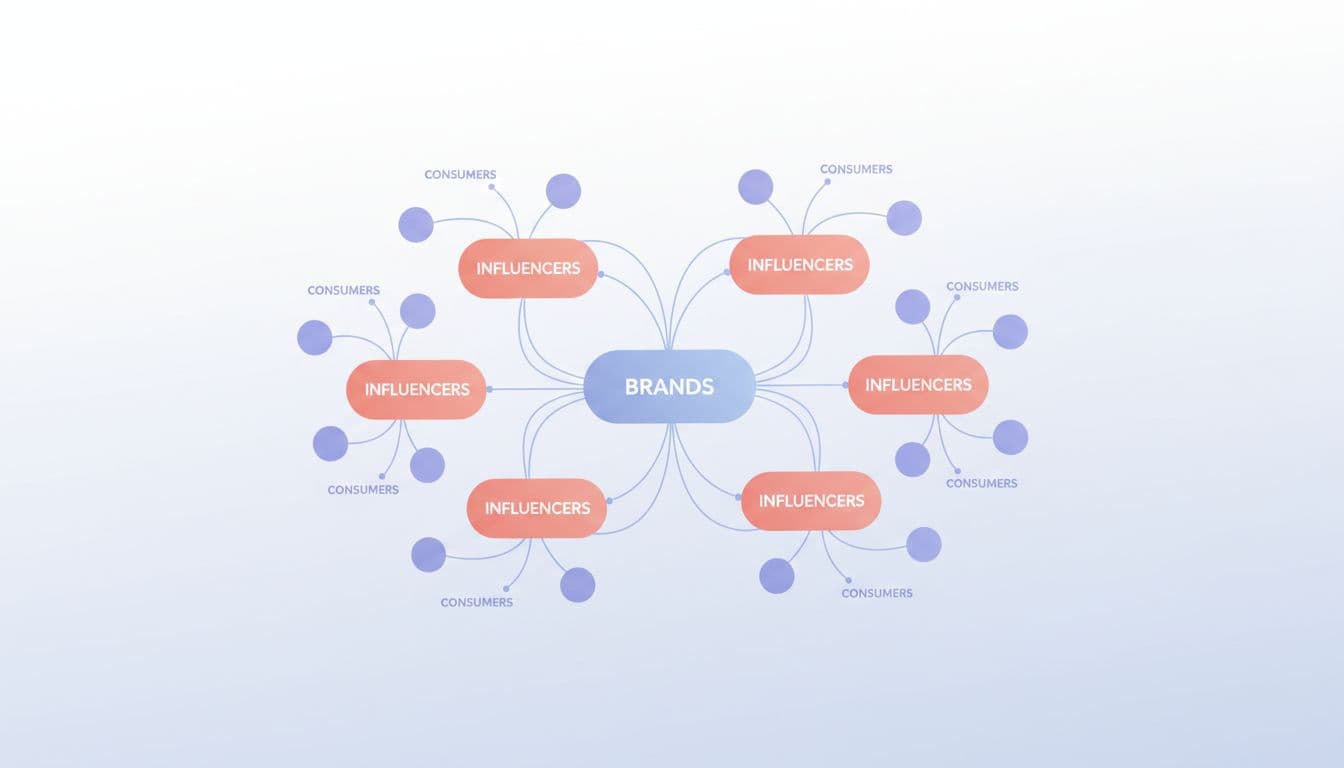
For most Thailand consumer brands, micro and niche creators should make up the bulk of the program. They post more often, cost less to activate, and sound closer to how shoppers talk. That matters on Shopee, where proof beats polish.
Recruitment should also start closer to home than many teams think. Look at your existing buyers, store followers, repeat commenters, and creators already tagging similar products. Category fit matters more than a generic "lifestyle" label. A home storage brand needs creators who show real spaces in Thai condos or family homes. A sunscreen brand needs creators who talk about heat, texture, white cast, and daily wear in Thailand's climate.
Screen creators with hard filters, not just follower counts. Check comment quality, sales language, posting rhythm, category match, and whether their audience already shops on marketplaces. If a creator can entertain but never gets asked where to buy, their Shopee fit may be weak.
Many brands now run this as part of a wider social commerce system, because creator sourcing, content feedback, live planning, and daily optimization sit close together. That's why some teams bring in partners with social commerce experience in Thailand when the in-house marketplace team is already stretched.
Commission is where strategy becomes real. Set it too low, and strong creators ignore you. Set it too high, and you can grow sales while shrinking profit. The fix is not one magic rate. The fix is a structure.
Start with a margin view at SKU level. Take gross margin, subtract platform costs, promo support, expected returns, and stock risk. What remains is your working room. Then split that room by creator role and campaign type. A low-effort deal page shouldn't earn the same as a creator who films a detailed review or hosts live sessions.
In practice, brands often need at least three commission states. Always-on rates keep the program active. Boosted event rates wake up creators before payday, 11.11, and 12.12. Launch or new-buyer incentives help when the brand wants households, not only revenue.
This Shopee Thailand commission advice makes a useful point for newer brands: if the product is less known, stronger commissions can help you get selected. That doesn't mean throwing margin away. It means paying for persuasion where persuasion is hard.
A few rules keep payouts sane. Tie boosts to priority SKUs, not the whole store. Use bundles to protect AOV while paying a better rate. Cap temporary bonuses by event window. Remove out-of-stock or low-margin SKUs from the creator catalog before campaigns go live.
If every creator gets the same rate, your best storytellers leave first. Weak traffic then fills the gap.
Hybrid models also deserve more attention in 2026. For launch or awareness work, a flat fee plus affiliate upside often beats a pure commission deal. It gives creators room to produce stronger content, while still pushing them toward sales.
Many brand briefs kill performance before a creator records a single clip. They read like ad copy, hide the real selling point, and stuff every feature into one script. Shopee content needs sharper thinking.
Good affiliate briefs tell creators what proof matters, what claim to avoid, what offer window matters, and which product angle fits their audience. They also leave enough room for the creator's voice. If 40 creators use the same phrases, shoppers smell a script.
A practical Shopee affiliate program overview makes the core point well: creators drive better results when they explain how a product fits daily life. That is exactly how Thailand shoppers process trust.
Your brief should cover a few non-negotiables:
Local details matter. Show product size in hand. Explain how long it lasts. Compare the item to common alternatives in Thai households. If it's beauty, speak to heat, humidity, skin tone, or routine. If it's homeware, show a real shelf, kitchen, or bathroom. If it's food or personal care, focus on sensory cues and daily habit.
The best briefs also change by creator type. A deal creator needs clean price logic. A trust creator needs room to explain. A live host needs question prompts and objection handling. One master deck rarely works.
A payday push is not a smaller 11.11. Each event has its own buyer mood, stock pressure, and creator behavior. That means campaign planning should start earlier, with fewer promoted SKUs and tighter control.
The cleanest structure starts about three weeks out. In the first week, confirm hero SKUs, bundle logic, stock cover, and event-only commission boosts. During the second week, seed creators, approve content angles, and push preview clips. In the final stretch, move into countdown content, live schedules, voucher reminders, and peak-hour posting.
Sell-through campaigns need even more discipline. Too many brands spread creators across half the catalog and then wonder why nothing breaks out. Pick a smaller set of items. Give those items the best price logic, the best stock, and the clearest story. A bundle often works better than a single unit because it raises order value and makes the offer feel event-worthy.
For mega-sale days, creator choice shifts too. Reach creators can open attention, but deal and live creators often close faster because they speak the language of urgency. They know how to explain limited stock, shipping deadlines, stackable vouchers, and why the bundle matters today, not next week.
Nothing drains momentum faster than a successful creator post attached to a weak operational setup. If the SKU goes out of stock, the voucher breaks, or the product page hides the key benefit, traffic burns off. During major events, affiliate and marketplace teams need the same war room, same dashboard, and same update rhythm.
Total affiliate GMV is a blunt number. It can hide weak new-customer performance, low-margin growth, or a program carried by a small handful of creators. Better measurement gives you room to scale with confidence.
Start by tracking creators as cohorts. Group them by activation month, content format, category, or role. Then compare which groups stay active, which convert first-time buyers, and which need support to keep posting. A program with 150 registered creators and 18 active sellers is smaller than it looks.

At minimum, your weekly scorecard should track:
Then sort creators into three groups. One group is ready to scale with more SKU access, event boosts, or hybrid deals. Another group needs fixes, often better briefs, better product matching, or better timing. The last group should pause because the fit isn't there.
Optimization should also happen faster than most brands expect. Always-on programs need weekly reviews. Mega campaigns need daily reviews, and sometimes hourly checks during live windows. If one bundle jumps early, move budget and creator energy there. If comments show confusion, rewrite the hook that same day.
Most importantly, connect affiliate results back to business goals. If awareness was the job, don't judge the program only on last-click ROAS. If new customer growth was the target, repeat-buyer sales shouldn't hide weak acquisition. Clean measurement protects good decisions.
Shopee affiliate success in Thailand is now an operating model. It works when brand teams line up the goal, the SKU, the creator role, the commission shape, and the campaign calendar.
The brands that win in 2026 won't be the ones with the biggest creator list. They'll be the ones with the clearest plan, the best local proof, and the discipline to measure quality over volume.
Thai shoppers still buy on trust, timing, and value. A strong affiliate program respects all three.


