
LINE VOOM Thailand used to look like an easy line item in the social plan. In 2026, it looks more like a ghost slot in old decks.
If you run marketing for a consumer brand in Thailand, the smart move is to treat LINE VOOM Thailand as a transition issue, not a fresh growth bet. Current reporting in April 2026 points to LINE putting more weight behind other products in Thailand, while reliable signs of active VOOM use are thin. That changes where your team should place budget, content effort, and measurement.
Earlier coverage from Brand Inside and SME Thailand Club explains why many Thai teams built playbooks around VOOM in the first place. It promised discovery reach inside an app that consumers already opened every day. It also matched local behavior, because useful, easy-to-share content often travels well inside LINE habits.
That history still matters. However, history shouldn't run this year's media plan.
If your 2026 plan still carries a stand-alone LINE VOOM budget in Thailand, pause it and confirm current availability first.
For most consumer brands, the better move is to keep the content logic that worked on VOOM, then move it to places that still drive reach and sales. Think of it like a shop sign after the mall has changed owners. The sign may look familiar, but foot traffic now comes through different doors.
This quick shift helps teams clean up planning.
| If your old plan used VOOM for | Shift the work to |
|---|---|
| Discovery reach | TikTok, Meta, and paid LINE placements |
| Product education | LINE OA content, short-form video, creator assets |
| Conversion handoff | LINE OA chat, mini app, or commerce landing page |
The takeaway is simple: keep the audience insight, retire the outdated channel line. Before the next planning round, audit every asset once built for VOOM. Sort it into evergreen demos, seasonal offer cuts, creator-led clips, and assets to retire. That archive can save weeks of production time.
Thai consumers still reward short, clear, useful content. That is the part many teams should keep from the old VOOM mindset. Earlier VOOM coverage often framed the content style as a mix of utility and entertainment. The label may be old, but the behavior isn't.
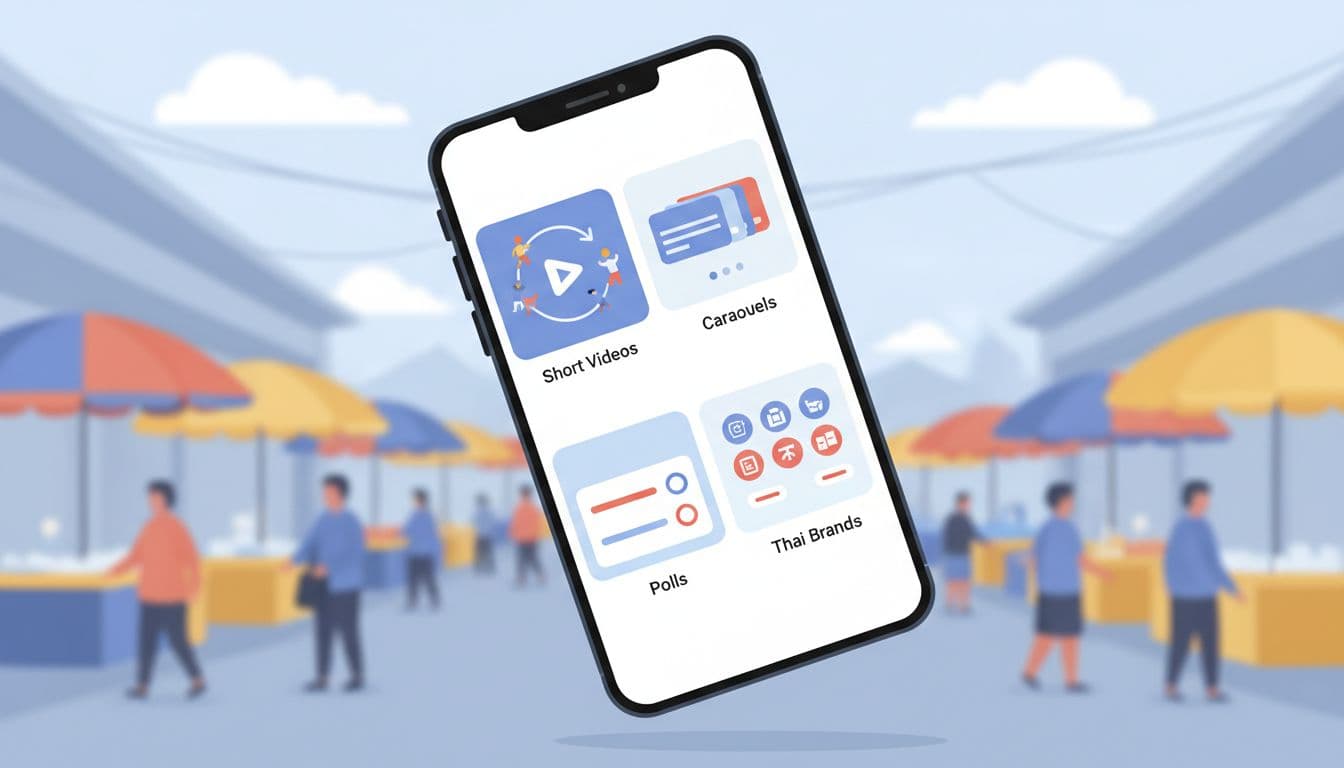
For consumer brands in Thailand, four content formats still travel well across LINE-friendly journeys and nearby channels. Product-in-use clips work when they solve one job fast, such as stain removal, skin prep, or snack pairings. Creator explainers land well when they feel like advice from a friend. Seasonal value stories tied to payday, school reopen, Songkran, or gifting periods give people a reason to act now. Offer-led assets also matter, especially when they move viewers into an OA follow, coupon claim, or store visit.
Cadence matters, too. Most brands don't need a flood of posts. A steady rhythm usually works better: three to five short video assets each week for discovery platforms, one to two OA pushes tied to a real offer, and one monthly burst around a retail moment. If the team is small, cut volume before you cut relevance.
This is where platform roles should stay clear. TikTok still wins for top-of-funnel speed in Thailand. Meta remains strong for paid scale and remarketing. LINE, on the other hand, sits closer to trust, service, coupons, and repeat purchase. Current reporting in April 2026 also suggests LINE mini apps are gaining more attention in Thailand, especially for commerce flows. So your content should hand off cleanly into chat, loyalty, or purchase. For brands that need local adaptation, social-first strategies for Thai market matter more than copying regional assets word for word.
When VOOM drops out, campaign design should get tighter, not weaker. Thai consumer campaigns now need a clear handoff from attention to action.
For FMCG, one reliable model is a "taste, use, or solve" series. A snack brand can run creator clips around pairings or flavor reactions, then move viewers to a coupon or add-friend flow. A beauty brand can build a 10-day concern series, such as oil control or dull skin, then route high-intent users into sampling, consultation, or marketplace traffic. Household brands can turn one demo into many cuts: the mess, the fix, the proof, and the price.
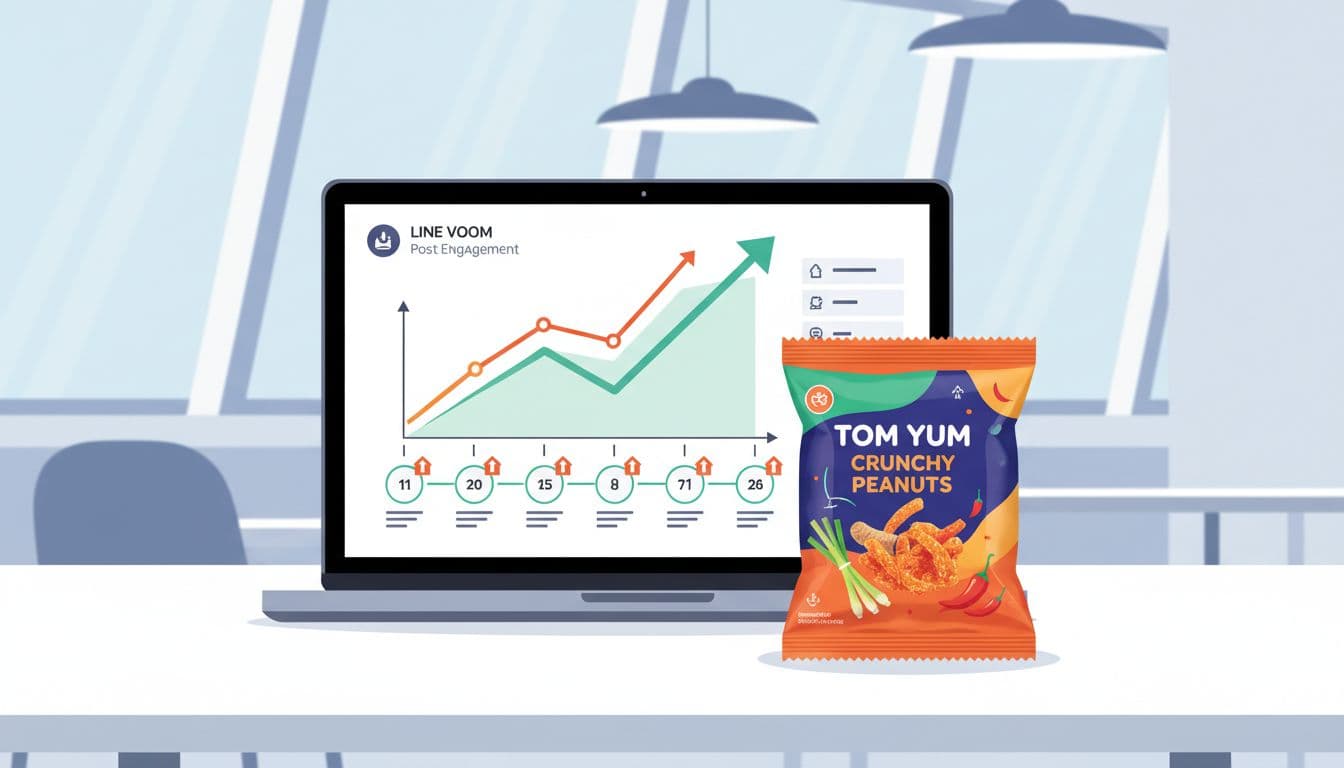
Targeting should follow buying stage, not platform habit alone. Start with broad prospecting built around age band, life stage, and product need. Next, split out warm audiences, such as site visitors, video viewers, past buyers, or OA followers, wherever your stack and privacy rules allow. Then keep a third group for lapsed buyers, because Thailand's promo-heavy market often rewards timely reactivation.
A recent 2026 LINE Ads Platform guide is useful background if your paid team needs a current view of LINE ad formats and friend-growth options. Still, don't let the dashboard write the strategy.
This simple scorecard keeps teams honest.
| Goal | Watch first | Business check |
|---|---|---|
| Awareness | View-through rate, thumb-stop rate, cost per reach | Branded search lift, store traffic trend |
| Consideration | CTR, OA adds, landing page visits | Sample sign-ups, coupon claims |
| Conversion | Cost per purchase, checkout rate | Revenue, new buyers, basket size |
| Retention | Repeat visit rate, message open rate | Repeat orders, reactivation sales |
The sharpest metric inside LINE is often not raw reach. It's cost per useful action, especially add-friend, coupon redemption, or repeat purchase. For packaged goods with offline sales, pair media results with store promo periods and sell-out data. Otherwise, the campaign story stays half-finished.
The old LINE VOOM Thailand playbook still teaches one smart lesson: Thai audiences like short, useful, share-worthy content. But in 2026, that lesson belongs inside a broader LINE and commerce plan, not a stand-alone VOOM line item.
Brands that win this year will treat VOOM as an archived format idea, then move faster on OA, paid LINE inventory, mini app handoffs, and cross-platform short video. Channel names change. Good content systems, clean handoffs, and honest measurement still do the heavy lifting.


