
A lost shopping cart in Thailand rarely needs a long speech. It needs a fast nudge, a clear link, and a channel the shopper already checks in the country's mobile-first landscape. For many brands, that channel is LINE, ideal for LINE abandoned cart recovery.
The global cart abandonment rate still sits near 70% in 2026, yet a good recovery flow can deliver recovered sales worth 10% to 20% of that lost ecommerce revenue. The brands that recover more don't send more messages. They send the right one, at the right time, with less friction.
Thai ecommerce is mobile-first, and LINE is part of daily behavior. That matters because abandoned carts often come from small problems like shipping costs, payment methods hesitation, size doubt, or a moment of distraction, leaving items in the shopping cart behind. A LINE abandoned cart strategy provides a fast chat-style reminder that fits that moment better than a traditional abandoned cart email for many shoppers. While an abandoned cart email can have a strong subject line, LINE messaging feels more immediate and aligns with customer behavior that favors chat in Thailand.
LINE also gives brands something email often can't: an easy reply path. Unlike an abandoned cart email where a compelling subject line grabs attention but conversation starts elsewhere, if someone wants to ask about delivery speed, shade, or stock, they can answer inside the same thread. That makes a LINE abandoned cart flow feel closer to service than promotion.
For a broader view of how brands use the channel, see this guide on LINE for ecommerce businesses. Thai teams also use LINE for behavior-based targeting across cart, loyalty, and repeat purchase journeys, as outlined in this piece on LINE as a MarTech tool in Thailand.
Still, LINE is not your only answer. If a shopper hasn't added your account or consented to messaging, use email first. If the order is high-value or time-sensitive, combine channels.
If a customer left because shipping looked expensive, a discount code may hide the problem for one order, but it won't fix the reason they left.
To build an effective abandoned cart flow, start by collecting consent early. Put LINE add-friend prompts on product pages, shopping cart, login, and post-purchase screens. If you wait until the checkout process is over, you have already lost part of the audience. Keep consent records tied to Thailand's PDPA, leveraging first-party data and securing SMS consent before messaging people you can identify cleanly.
Then choose the channel mix by cart value and intent, using customer segmentation to enable personalization in your abandoned cart flow.
A simple model looks like this:
| Cart scenario | Best mix | Timing |
|---|---|---|
| Repeat buyer, low-friction reorder | LINE only | 30 to 60 minutes, then 24 hours |
| New shopper, higher-consideration product | LINE + email | LINE in 1 hour, email in 6 to 24 hours |
| High-value cart or payment failure | LINE + email + SMS | LINE in 30 minutes, SMS in 2 to 6 hours, email by 24 hours |
For Thailand, LINE alone works best when the shopper already knows the brand and the basket is easy to finish. Think skincare refill, pet food, or household repeat orders.
Use LINE with email (including abandoned cart email) when the shopper may need more detail during the checkout process, such as fashion sizing, beauty shades, or premium products. Email can carry reviews, returns info, and comparison content. Add SMS only when the stakes are higher and consent is clear. SMS is strong for urgency, but it gets annoying fast.
Frequency control matters more in LINE than many teams expect. Cap cart reminders at two or three touches over 72 hours. Suppress anyone who bought, opened a support ticket, or entered a separate promo flow. Also, do not stack browse-abandon, price-drop, and cart reminders on the same person in one day.
If your retention work sits inside a wider social commerce engine, it helps to connect CRM with paid and content ops. That is where a Thailand social media agency for ecommerce can close gaps between traffic, checkout behavior, and recovery.
Most failed LINE cart flows make one mistake. They sound like a blast message with aggressive subject lines, just like many abandoned cart emails. A good flow sounds like a timely tap on the shoulder.
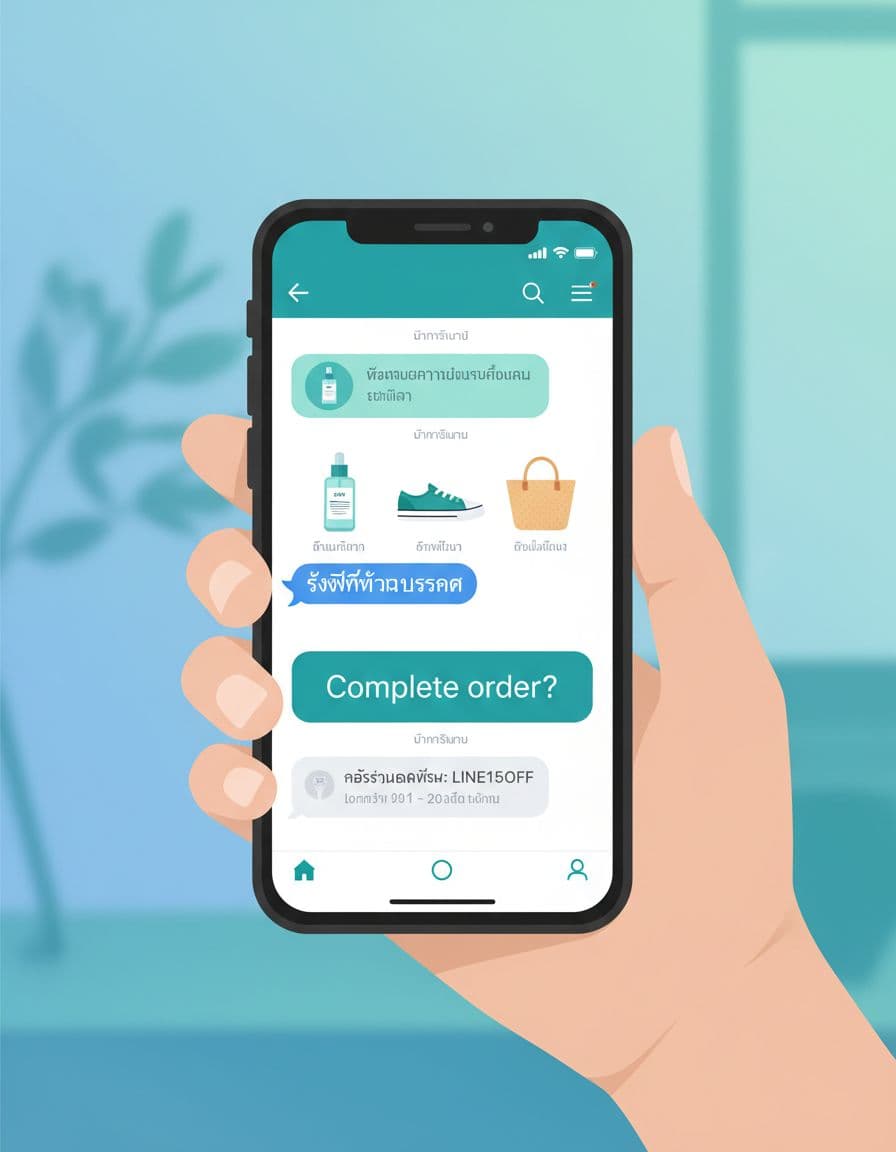
Use short copy, one action, and a deep link that serves as the primary call to action to rebuild the cart. Keep product visuals clear, including product recommendations for added relevance. Don't make the shopper search again.
A practical three-step sequence looks like this:
Don't give everyone a coupon. Loyal buyers who often convert at full price should see a reminder first. Meanwhile, new visitors from paid traffic may need a stronger nudge. Trigger rules from platforms like those described in this LINE automation guide can split these groups cleanly.
A cart flow can look busy and still lose money. The scorecard needs four numbers: recovery rate, conversion rate, recovered sales, and block or unsubscribe rate.
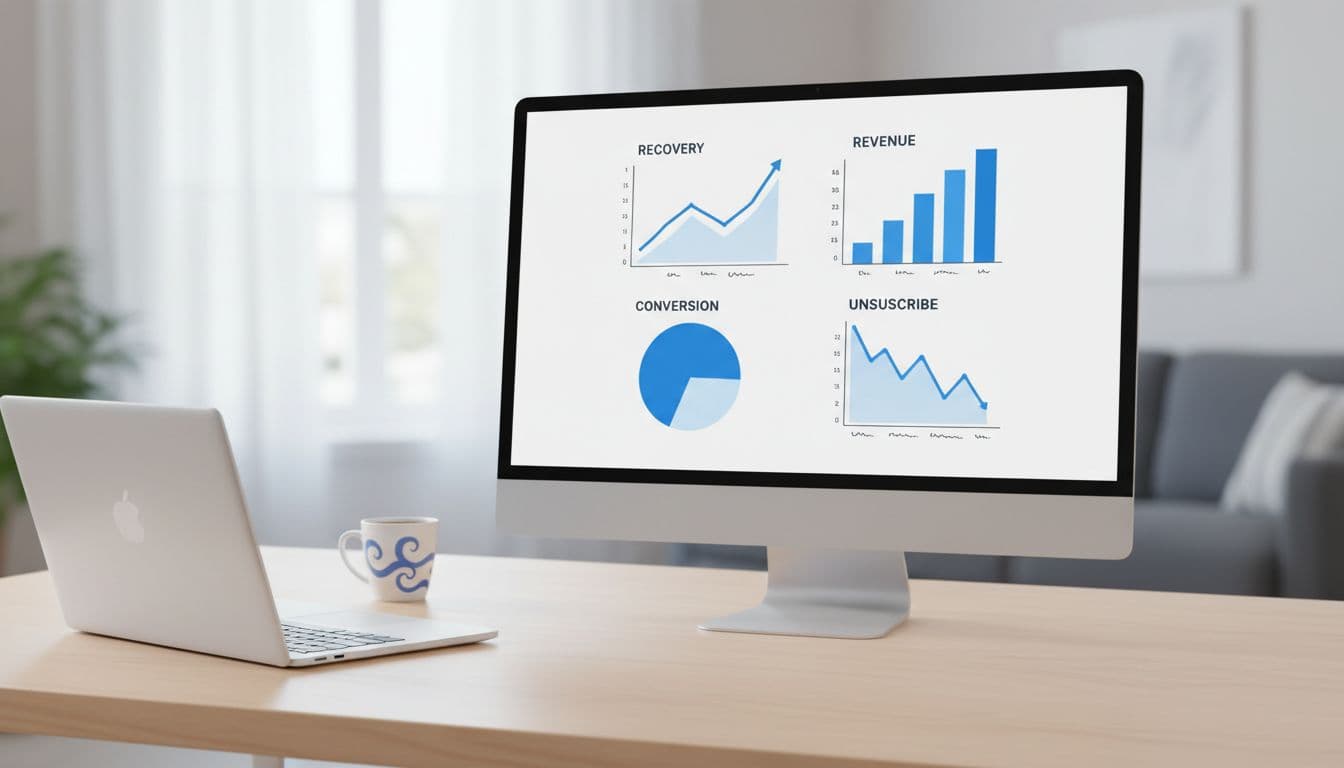
Trigger the flow using webhooks from your ecommerce platform whenever a checkout session is abandoned to capture accurate data from the start. First, track recovery rate, which is recovered orders divided by abandoned checkout sessions that entered the flow. Next, track conversion rate, based on recipients or clicks, but choose one method and keep it fixed. Then measure recovered sales, using net revenue after discounts, not gross sales. Finally, watch block or unsubscribe rate. If revenue rises while blocks climb, the flow is borrowing from future reach.
Attribution needs rules. Use the same window across channels for recovered checkout sessions, often 24 hours post-click and 72 hours post-view or post-send. Add UTM tags or cart IDs to every recovery link. Better still, keep a holdout group. Without one, branded search, retargeted ads, Facebook Pixel events, dynamic product ads, and organic return visits can steal credit.
Benchmarks help, but trendlines matter more. If your flow recovers 8% today and 12% next month with the same media mix, you improved. If discount use rises faster than recovered sales margin, you didn't.
LINE aligns with Thailand's mobile-first habits and chat preferences, delivering fast nudges that feel immediate and conversational. Unlike abandoned cart emails, LINE allows replies in-thread for quick questions on delivery, sizes, or stock, turning recovery into service. It recovers 10-20% of lost revenue when timed right, especially for low-friction repeat buys.
Start LINE at 30-60 minutes for repeats, 1 hour for new shoppers with email follow-up at 6-24 hours, and add SMS for high-value carts within 2-6 hours. Cap at 2-3 messages over 72 hours, suppressing for buyers or support tickets. This mix matches intent, with LINE alone best for easy baskets like skincare refills.
No—loyal buyers convert without coupons, so segment: reminders first for repeats, discounts for price-sensitive new visitors or margin-safe carts. Free shipping often outperforms percentages in Thailand, and overuse erodes margins without fixing root issues like shipping costs. Test via triggers to split groups cleanly.
Focus on four metrics: recovery rate (orders/abandoned sessions), conversion rate (fixed method), recovered net sales, and block/unsubscribe rate. Use webhooks for accurate triggers, 24/72-hour attribution windows, UTM/cart IDs, and holdouts to avoid ad/pixel credit theft. Watch trends like 8% to 12% recovery lifts over benchmarks.
Yes—collect LINE add-friend prompts early on product/cart/login pages, tied to PDPA compliance and first-party data. Wait until consent for messaging; fallback to email if missing, and secure SMS consent separately. Early collection captures more audience before checkout abandonment.
The best LINE cart flows for Thailand's online shoppers feel quick, polite, and useful. They respect consent, match the shopper's intent, and avoid turning every lost basket into a coupon problem.
While promotional emails have their place, support the abandoned cart email with LINE for maximum impact. Craft a compelling subject line for the abandoned cart email to drive opens, then reinforce it with LINE reminders and test subject line variations across channels. Start with one tight sequence, one clear attribution model, and strict frequency control. Then refine segments, not message volume. In 2026, LINE abandoned cart recovery drives recovered sales best when it acts like customer care with a checkout link attached.


