
The same broadcast messages from a LINE Official Account can feel helpful to one shopper and pointless to another. In Thailand, where LINE sits inside everyday shopping habits, that gap shows up fast in coupon use, store visits, and block rates.
For retail teams in 2026, LINE broadcast segmentation and precision segmentation are no longer side tactics. It's how you match promotions to real buying moments with personalized messaging that bridges the gap between digital and physical shopping, across stores, ecommerce, loyalty, and chat. The brands that get it right stop shouting at everyone and start speaking to the right customer at the right branch.
Thai retail isn't one audience. Specific audiences like a beauty shopper in Siam, a parent buying school supplies in Khon Kaen, and a grocery buyer in Chiang Mai don't respond well to mass broadcasting the same offer. When all three get the same broadcast, relevance drops before the first tap.
That matters more now because growth is tighter than the boom years. Retail leaders in Thailand are under pressure to connect channels, manage message limits, and maintain relevance, not add more noise. LINE stays central because it sits close to purchase intent, customer service, loyalty, and store reminders in one place.

At a platform level, LINE still supports targeted sends through audience filters and targeted broadcast options. The current LINE Official Account interface help page on targeted broadcasts is worth checking before launch, because filters, audience rules, and minimum target size can change. As of the latest help guidance, targeted reach needs at least 100 people.
A simple comparison helps frame the decision:
| Broadcast approach | Best use case | Main risk |
|---|---|---|
| broadcast messages to all friends | Major holiday hours, nationwide launch, urgent service notice | Low relevance, higher fatigue |
| Segmented send by branch, loyalty tier, or purchase history | Promotions, stock alerts, repeat purchase, win-back | Needs cleaner data and planning |
The takeaway is plain. Broad broadcasts still have a place, but only when the message is truly universal.
If every shopper gets the same coupon, your data is sitting idle.
For Thailand retail, timing also changes by season. Songkran drives travel packs, cooling items, and gift bundles. Back-to-school campaigns lift stationery, kids' fashion, and lunch gear. Payday weekends can lift store traffic, while 11.11 and year-end sales shift attention online. Segmentation lets you align with customer preferences by season, store cluster, and shopper value instead of sending one flat message to the full database.
Most retail brands don't need 30 segments for contact segmentation. They need precision segmentation with a small structure that mirrors how people buy.
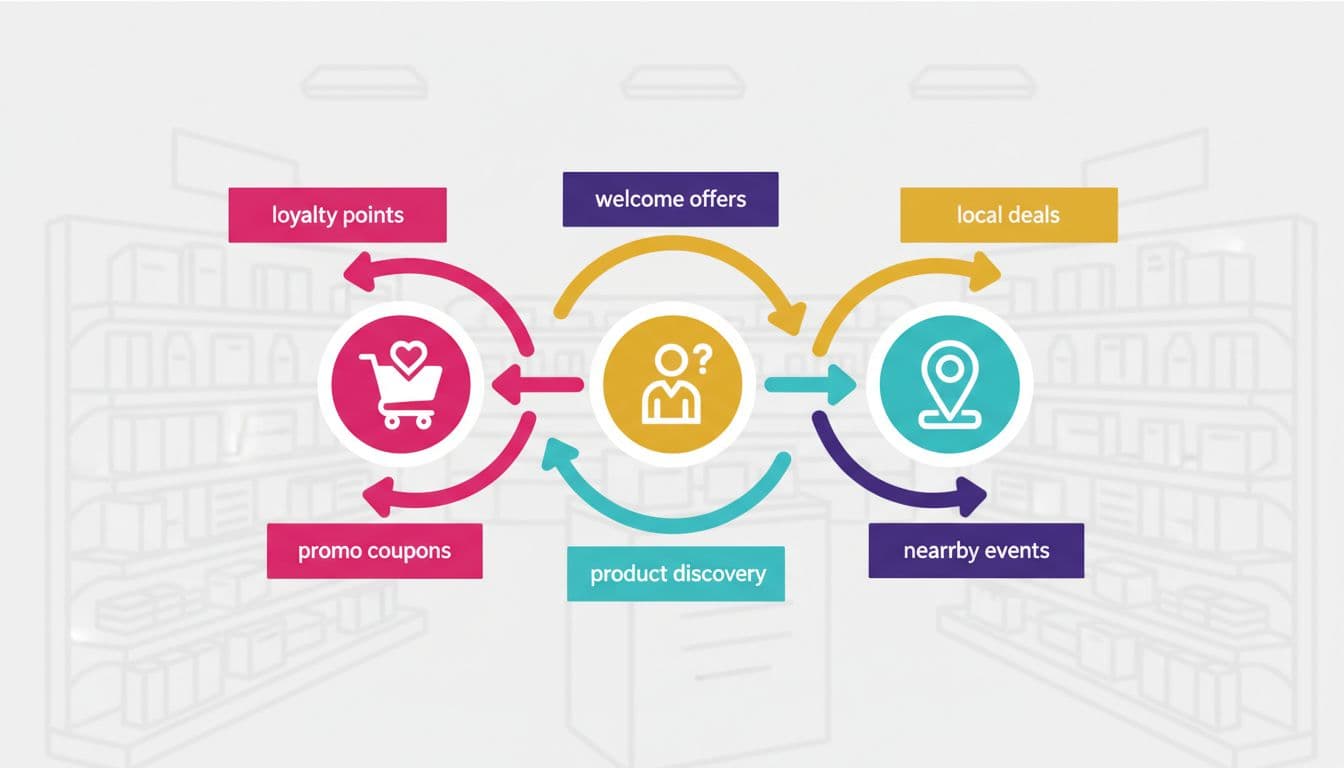
Start with four working groups for effective contact segmentation:
This works because the logic follows retail behavior, not vanity labels. If your CRM integration or Social CDP connects POS, ecommerce, and loyalty data via the Messaging API for advanced customer tagging and behavioral tags, you can go further. For example, Choco's LINE OA playbook for seven customer segments shows how Thai teams move beyond basic demographics into real purchase and lifecycle signals.
Now picture a practical flow for a fashion retailer. A loyalty member in Bangkok buys women's workwear twice in 60 days. Three weeks later, marketing automation triggers a rich message to the target audience about a new office capsule collection, plus bonus points valid at her usual branch through Sunday. If she clicks but doesn't buy, a follow-up rich message goes out two days later with limited stock at the nearest store, including a QR code for quick in-store redemption. If she purchases, she exits the promo flow and moves into post-purchase care.
A beauty retailer might use a different path. New LINE friends receive a skin quiz prompt or starter coupon. Buyers of sunscreen get a replenishment reminder before Songkran. High-value skincare customers get early access to gift sets before Mother's Day. Each message has one goal, one audience, and one next action.
For teams building this muscle, Cresclab's guide to segmentation on LINE is a helpful local reference because it focuses on moving away from one-size-fits-all messaging. That shift matters most in omnichannel retail, where one customer might browse online, reserve in chat, and buy in store within the same week.
Good segmentation needs a scoreboard. Open rate alone won't tell you enough.
Track a small set of KPIs tied to business outcomes:
Store traffic is also important for Thailand retail. If your branch network is large, compare uplift by region, mall type, store cluster, or customer acquisition costs. A branch-level campaign for Central malls may behave differently from a community mall push in the suburbs. Therefore, tie each segment to store stock, staffing, and promo dates before the send goes out.
Common mistakes are easy to spot. Some teams overuse customer tagging to create segments so small they can't scale. Others keep sending the same discount to VIP shoppers and low-value buyers, which burns margin. Another problem is stale data from failing to update contact fields or interest tags. If purchase history updates late, your remarketing may push a win-back offer to someone who bought yesterday.
There's also a creative risk. Many broadcasts try to do too much at once. Thai marketers who stay focused often get better response, a point echoed in this local article on LINE broadcasts. One message should carry one clear action for the target audience. If the offer, deadline, branch, and audience all blur together, response falls.
Platform rules matter too. Audience options, targeting logic, and partner integrations (including broadcast module and Messaging API capabilities) can change by account setup, plan, or current LINE policy. Check them before every major campaign cycle, not after the report lands.
Broad blasts send the same message to diverse audiences like beauty shoppers in Siam or grocery buyers in Chiang Mai, dropping relevance and increasing fatigue amid tighter growth pressures. Segmentation aligns promotions with purchase history, location, and seasons like Songkran, improving coupon use and store visits. LINE's targeting options require at least 100 people per segment, making precision more effective than mass sends.
Focus on new friends (welcome and first-purchase offers), active repeat buyers (points and cross-sell), lapsed customers (win-back after 45-60 days), and branch-based shoppers (local promotions and stock). This mirrors real retail behavior, scalable without needing 30+ labels. Connect to CRM or Social CDP for tags via Messaging API to enhance lifecycle signals.
Prioritize reach by segment, engagement/click rates, conversion and coupon redemptions (online/in-store), repeat purchase rates, and block trends. Compare store traffic uplift by region or mall type, tying to stock and promo dates. Open rates alone aren't enough—focus on revenue per message and business outcomes.
Teams often over-tag into tiny segments, send identical discounts to all, use stale data, or pack messages with too many goals. Always update purchase history and check LINE's targeting rules before sends. Keep one clear action per broadcast, like a branch-specific QR code, for better Thai retail response.
It bridges digital chats, ecommerce, loyalty, and physical stores by grounding messages in customer signals like chat behavior or POS data. Use chatbot tagging for real-time refinement and automation for follow-ups, like post-click reminders. Resources like Cresclab's guide or Choco's playbook help Thai brands shift from one-size-fits-all to precise, multi-channel support.
One LINE message can still work for everyone, but that moment is rare. Most retail campaigns in Thailand perform better when the audience is smaller, clearer, and tied to real behavior.
LINE broadcast segmentation is the standard for 2026. The strongest move is simple: start with three or four useful segments, connect them to store and loyalty data, and measure what happens after the tap. This strategy improves multi-channel support for retail stores. When segmentation is grounded in customer signals, LINE becomes a sharper retail channel, not a louder one. To future-proof it, incorporate chatbot tagging to further refine the target audience based on real-time chat behavior.


