
Your best customer signal in the cookieless future of 2026 probably doesn't come from a cookie. It comes from a shopper who scanned a receipt, joined a LINE Official Account, tapped a product reminder, or bought again with a loyalty ID attached. These signals elevate customer experience like never before.
For Thailand consumer brands, a first-party data strategy is no longer a side project for CRM. It's the link between media waste and media efficiency, between broad promotions and personal offers, between compliance risk and customer trust.
The hard part isn't collecting more data. It's collecting the right data, with permission, then turning it into action across retail, beauty, FMCG, and e-commerce as part of your first-party data strategy.
For years, many brand teams worked with rented attention. Platform targeting, web tags, and third-party signals filled the gaps. That model is weaker now. Cookie deprecation is making third-party cookies less dependable, platform data is boxed inside platform walls, and social discovery often starts the buying journey before a branded search ever happens. These shifts are reshaping targeted advertising.
In Thailand, the customer path is rarely neat. A shopper might see a creator on TikTok, ask friends in LINE, compare on Shopee, and complete the purchase in store. That journey breaks clean attribution. It also makes direct customer data more valuable, because you need a record that travels with the customer, not with a single platform. The APAC retail guide from Branch8 captures this regional reality well, especially the mix of LINE, marketplaces, and local commerce flows.
Privacy pressure also changed the stakes. Thailand's PDPA is fully enforced alongside global privacy regulations like GDPR and CCPA (especially relevant for Thai brands operating internationally), and 2026 is not a year for vague consent banners or messy vendor contracts. Complaint volume has climbed past 2,600 cases, and fines in 2025 crossed 21.5 million THB across five cases. Enforcement moved from warning signs to real cost.
That is why this strategy matters now. Owned customer data gives you an identifier you can trust, a message you can personalize, and a record you can defend.
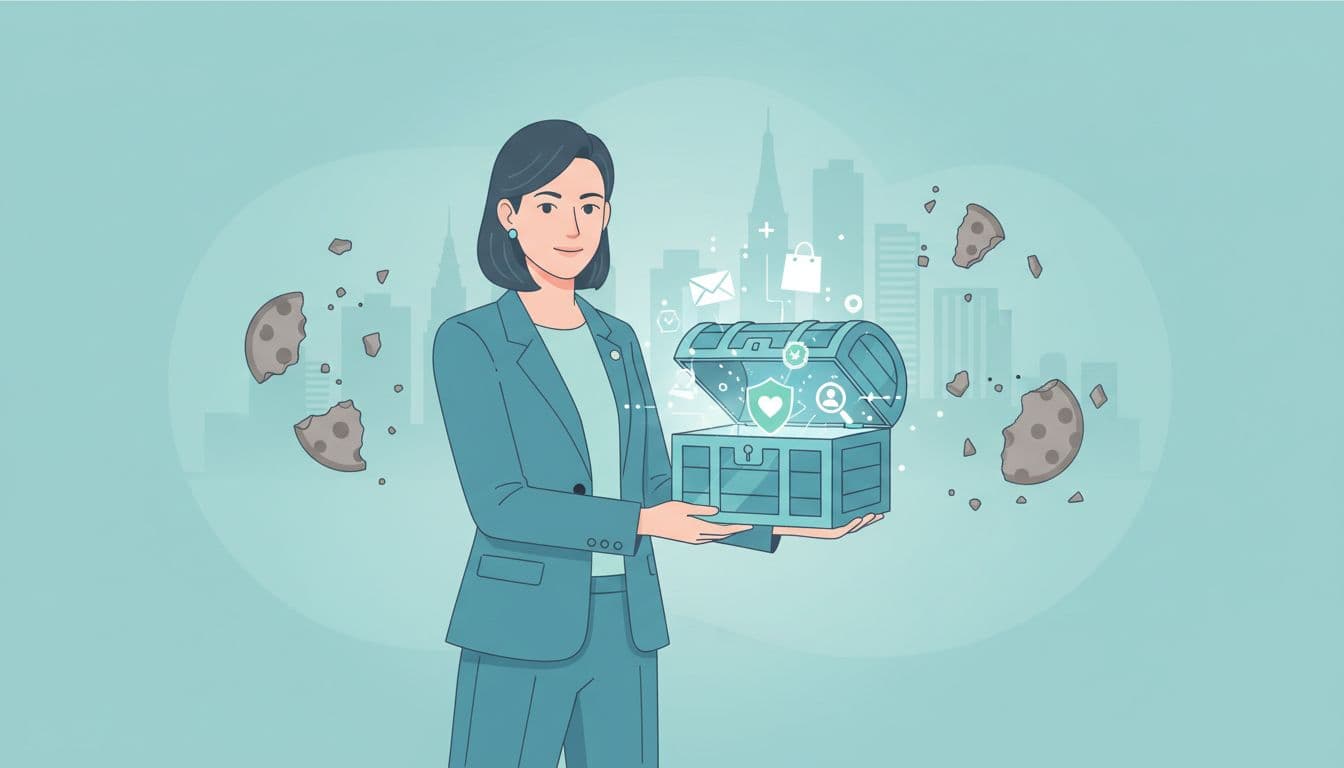
Many teams begin with a customer data platform demo, a loyalty platform pitch, or a new dashboard request. That is backwards. Starting with a business case for your first-party data strategy helps avoid creating new data silos. Start with one commercial question: which customers should get a different experience next week? Personalization requires a foundation of high-quality data.
For a retailer, the question might be how to grow spend from members who only buy on promotion. A beauty brand might focus on refill timing or routine completion. FMCG teams often need to turn one-off campaign entrants into repeat households. E-commerce brands usually get quick wins from improving the second order, not the first.
Once the question is clear, build a small data model around it. You need four layers. Identity is the basic customer key, such as phone number, email, LINE ID, or loyalty number. Consent records what the customer allowed, when, and through which channel. Behavior captures views, clicks, store visits, purchases, coupon use, and service interactions. Value tracks margin, order size, frequency, or category depth.
A strong customer record answers five simple things. Who is this person? What have they done? What do they care about? What are you allowed to send? What do you want them to do next?
Collect only the fields you can explain, protect, and use within 90 days.
That rule cuts waste. It also supports PDPA because data minimization is not only a legal idea. It is good operating discipline. If a field never changes a campaign, it probably shouldn't live in your database.
For many Thai brands, LINE is closer to the CRM front door than email. That changes how collection should work. A good model does not wait for a website form. It gives people easy points of entry across chat, social commerce, stores, apps, and checkout.
Most brands need three collection lanes that integrate with loyalty programs and CRM systems as key infrastructure. The first lane is identity capture, such as member sign-up, phone-first checkout, warranty registration, e-receipt, or chat opt-in. The second lane is declared preference, often called zero-party data. This includes shade, skin concern, family size, pet ownership, favorite category, or preferred store. Zero-party data from these declared preferences helps brands personalize experiences effectively. The third lane is observed behavior, which comes from product views, repeat purchases, coupon redemption, store visits, and response to message timing.
LINE Official Account is often the fastest bridge between awareness and CRM. The LINE MyCustomer overview shows why brands in Thailand use it to connect chat audiences with richer customer profiles. Still, LINE should not become your only source. Website forms, app events, live-commerce signups, call center logs, point-of-sale data, e-commerce checkout records, and second-party data from retail partners all matter.
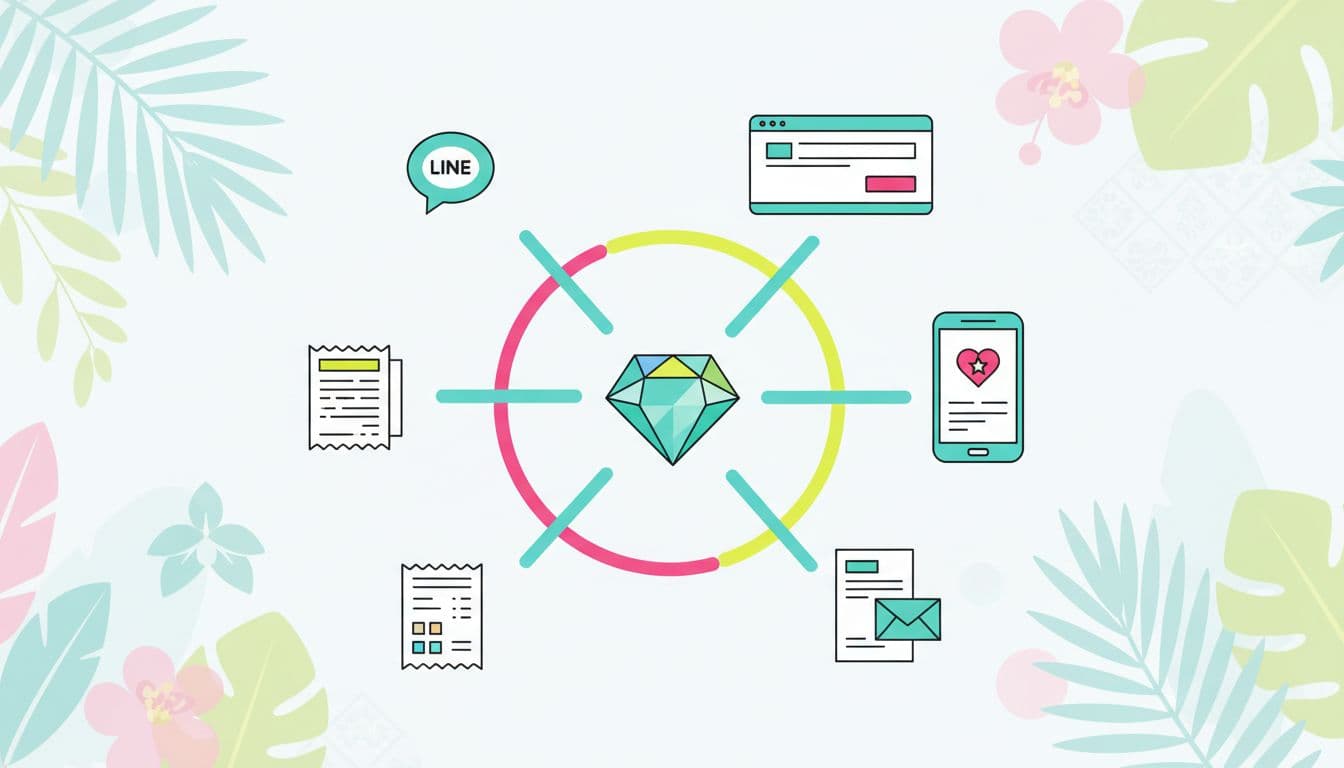
Collection also needs a clear value exchange. Retail brands can offer member pricing, e-receipts, and store stock alerts. Beauty brands can offer shade matching, routine builders, refill reminders, or consultation booking. FMCG brands need stronger hooks because purchase cycles are shorter and baskets are split across channels. Recipe clubs, receipt-upload promotions, family content, and sampling programs often outperform a generic newsletter box. E-commerce brands can win with saved carts, back-in-stock notices, and faster checkout.
The model only works when IDs join up. If store receipts, LINE interactions, and website purchases cannot connect to the same person, the data remains a pile of fragments. Your first-party data strategy should make one ID useful across buying, messaging, and reporting.
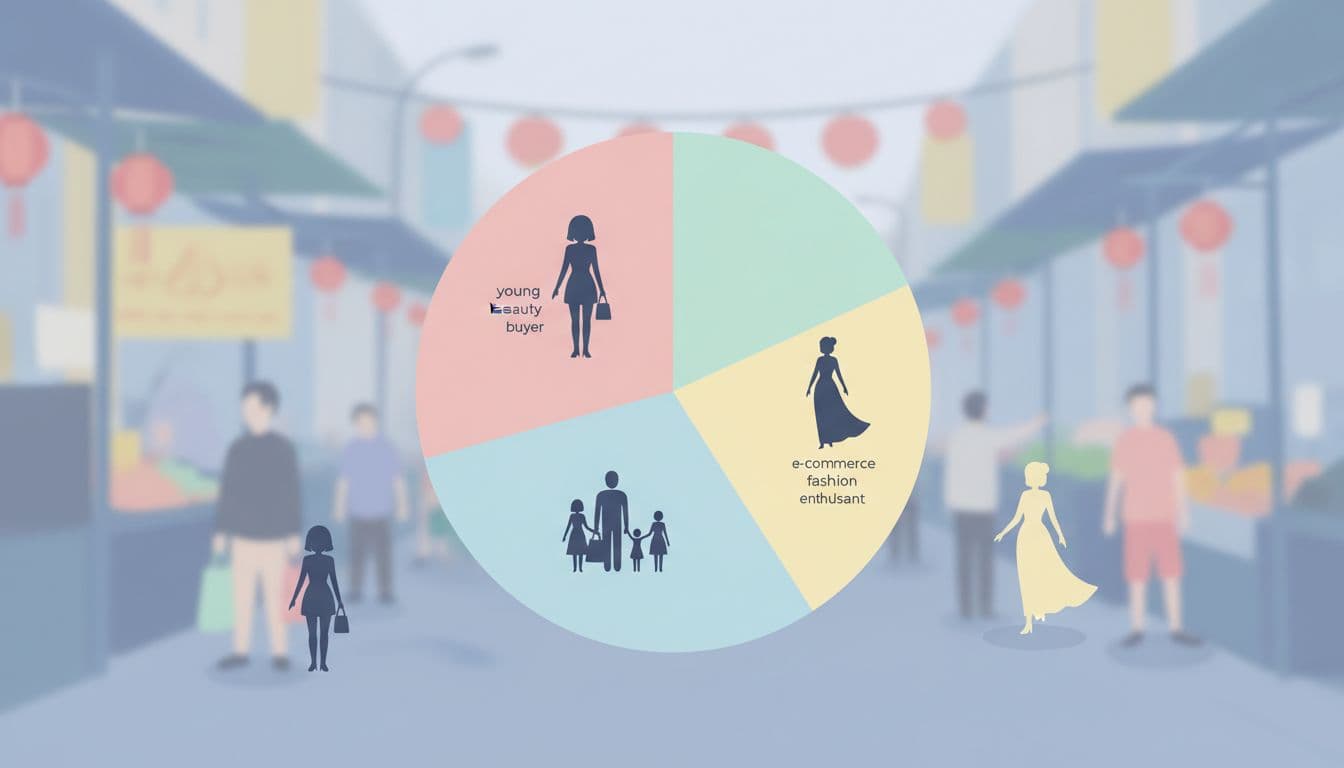
Once data begins to flow, many teams build audience segments that are far too broad. "Women 25 to 34 in Bangkok" is a media audience, not a customer strategy. Useful audience segments answer who gets what message, through which channel, and why now.
The strongest audience segments combine three layers. Lifecycle tells you whether someone is new, active, lapsing, or reactivated. Behavior shows what they did, such as browsed a category, bought only during sales, opened LINE messages but never purchased, or shifted from online to store. Value, using customer lifetime value (CLV) as a key metric, tells you who deserves more investment, who responds only to discounts, and who buys profitable categories at full price.
Recent reporting on Central Group's customer insight work is a good reminder that one customer can belong to several useful audience segments at once. A shopper might be a parent, a skincare buyer, and a low-fashion spender. That is where a message starts to feel personal rather than generic.
This quick comparison shows how audience segmentation logic changes by category.
| Sector | Best signals | Practical audience segment | First message |
|---|---|---|---|
| Retail | Loyalty ID, POS, app browse | Premium shoppers who wait for promos | Category offer after full-price browse |
| Beauty | Quiz answers, shade history, repeat cycle | Lapsed regimen users near refill window | Replenishment reminder with matched products |
| FMCG | Receipt upload, family profile, bundle redemptions | Households with kids and high snack affinity | Bundle offer tied to school or holiday moments |
| E-commerce | Cart events, category views, second-order gap | First-order buyers likely to lapse | Product recommendation with a timed incentive |
The lesson is simple. Start with behavior and timing. Demographics can help, but predictive analytics moves beyond basic demographics to anticipate future needs.
Activation is where strategy either turns into revenue or dies in a dashboard. In Thailand, four channels usually deserve the first wave of focus: LINE CRM, paid media, on-site or in-app personalization, and social commerce.
LINE works well for service and conversion messages when permission is clear. Use it for welcome journeys, birthday rewards, refill reminders, abandoned cart nudges, store-level offers, and reorder prompts. The point is not to blast more messages. The point is to match timing and content to customer state. Work on LINE OA personalization shows how a single customer view sharpens that timing and boosts personalization.
Paid media still matters, but the role changes. First-party audiences improve match quality for targeted advertising and retargeting, suppression, and seed quality for lookalike audiences. They also support stronger server-side measurement through hashed identifiers and cleaner purchase events. Beauty brands can look at the L'Oreal SAPMENA case for a useful example of owned data improving media efficiency and personalization at the same time.
On site or in app, keep personalization light at first. Show relevant categories, reorder items, refill prompts, or stock alerts. Heavy personalization often breaks when the data is thin. In the first year, simple rules usually beat complex models.

Social commerce is the missing bridge for many Thai brands. A shopper sees a creator review, clicks into TikTok Shop, buys, and then disappears from the CRM picture. Fix that gap with stronger post-purchase capture, creator landing pages, membership invites in parcels, and live-commerce signup flows. A sharper social content strategy for Thailand brands helps here because audience logic and creative logic need to move together to enable effective cross-channel marketing across LINE, web, and social.
Suppression matters as much as targeting. Stop showing acquisition ads to people who just purchased. Stop pushing discounts to full-price loyalists. Stop sending the same message across every channel. Personalization is not only about whom to reach. It is also about whom to leave alone.
Measurement needs a harder standard now. Click-through rate and platform-reported ROAS are too shallow for a first-party data program.
Track three layers. First, coverage: how many customers are identified, consented, and reachable by channel. Next, response: open rate, click rate, conversion rates, add-to-cart, store visit, repeat purchase, coupon redemption, and customer experience metrics like satisfaction feedback. Then measure business lift: incremental revenue, second-order rate, margin per customer, reactivation cost, and 90-day value.
Holdout groups matter more than ever. Keep a small share of eligible users from receiving a campaign, then compare behavior. LINE, email, app push, and loyalty offers all support this. Retail brands should also compare identified store shoppers with anonymous shoppers by category and visit rate.
Because attribution is less tidy, lean on match rate and event quality. Make sure purchase events carry order value, product category, promo status, and customer ID where consent allows. If your site, POS, CRM, and ad platforms each name the same event differently, your reports will tell four different stories.
Review one use case at a time. Generative AI can help analyze these complex measurement reports and surface insights faster. If a refill reminder lifts repeat rate, keep it and scale it. If a birthday coupon adds no real value, cut it. A measurement model should help teams make sharper choices, not admire prettier charts.
Data governance now sits inside media, CRM, and customer experience. If your consent trail is weak, your targeting is weak too. If vendor controls are loose, the brand risk is not abstract. It lands in fines, complaints, and lost trust.
Under PDPA, which models privacy regulations after GDPR and CCPA for global compliance, consent must be clear, purpose-based, and easy to withdraw. Pre-ticked boxes are risky. Bundled permissions that mix service updates, analytics, and personalized ads are risky too. The PDPA retargeting guidance from Sennalabs explains why non-essential cookies and tracking scripts should wait until the user opts in.
Keep separate records for each permission type. A customer may accept order updates in LINE but decline promotional messages. Respect that split. Log the source, time, wording, and version of every consent. Make opt-out easy. Refresh old permissions when the purpose changes.
Cross-border transfer rules also deserve board-level attention. If your CRM, CDP, or analytics stack stores Thai customer personally identifiable information (PII) abroad, review processor roles, transfer safeguards, and contracts. The Thailand PDPA guide from Kevel is a practical summary of consent, processor duties, and data transfer issues.
Security is part of marketing operations now. Several 2025 enforcement cases involved weak controls and poor governance, not flashy hacks. PDPC's web-scanning tools are also a reminder that broken cookie setups are visible. Some brands now need a DPO under tighter 2025 rules. Many more need vendor DPAs, access controls, breach playbooks, and staff training to protect personally identifiable information (PII).
The real test is blunt. Can your team prove what personally identifiable information (PII) it collected, why it collected it, who touched it, and when the customer said yes or no? If that answer is slow or fuzzy, fix data governance before you scale activation.
Most brands don't need a giant transformation plan. They need a sequence. The fastest route is one priority use case, one consent model, one joined customer ID, then expansion.
Pilot with one brand or one category first if your portfolio is large. Roadmaps fail when teams chase completeness instead of action. Data maturity grows when CRM, media, legal, e-commerce, and retail ops work from the same use case rather than from separate wish lists. This sequence powers your first-party data strategy from pilot to scale.
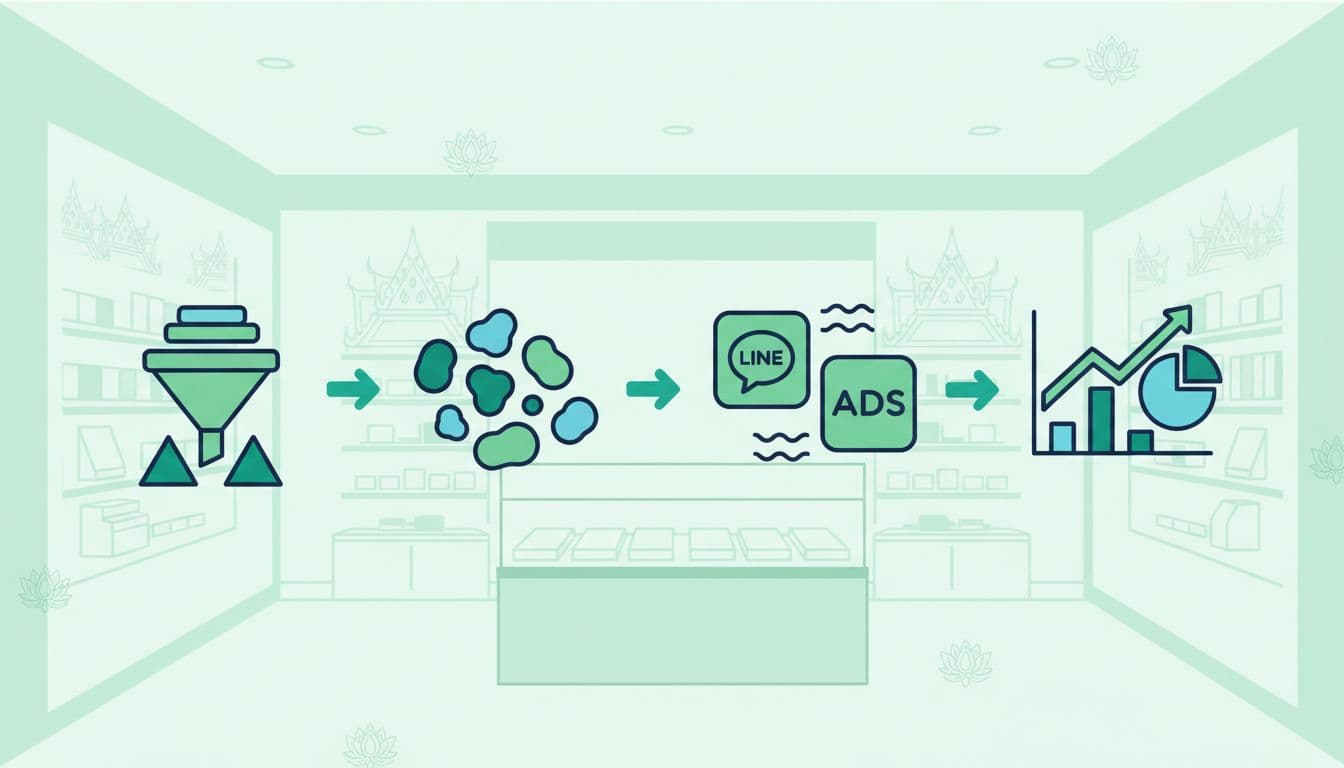
Cookie deprecation, platform walls, and PDPA enforcement make third-party signals unreliable and risky, with fines already topping 21.5 million THB. Owned data from LINE, loyalty, and receipts provides a persistent customer ID for personalization, media efficiency, and compliance. It links messy Thai journeys—social discovery to in-store buys—into actionable records that build trust.
Begin with a business case tied to one use case, like beauty refills or e-commerce second orders, not a tool stack. Audit sources, unify IDs (LINE, POS, email), and layer identity, consent, zero-party preferences, and behaviors. Offer clear value exchanges like e-receipts or routine builders to collect high-quality data without silos.
LINE Official Accounts excel for timed messages like reminders and nudges; pair with paid media for better lookalikes and suppression, on-site rules for recommendations, and social commerce bridges post-purchase. Match content to segments (e.g., bundle offers for FMCG families) and suppress irrelevant ads to avoid waste. This turns data into revenue across chat, web, stores, and marketplaces.
Track coverage (identified/consented customers), response (opens, conversions, repeats), and lift (incremental revenue, CLV via holdouts). Standardize event naming across platforms for clean attribution, despite messy journeys. Use insights to scale winners like refill reminders and cut flops, focusing on 90-day value over shallow ROAS.
Governance ensures clear, purpose-based consent with easy opt-outs, separate logs per permission, and PII minimization—pre-ticked boxes or vague banners invite fines. Review cross-border transfers, vendor DPAs, and security for CRM/CDP stacks. Prove every data touch (who, why, when) to protect against PDPC scans and complaints.
The brands that win in Thailand in 2026 won't be the ones with the largest databases. They'll be the ones with the clearest permission, the cleanest customer ID, and the discipline to turn data into a better next interaction built on trust and superior customer experience.
A strong first-party data strategy works when it connects real behavior to timely, personalized action across LINE, social commerce, stores, and paid media. Start small, prove lift, and build from there.


