
The first second decides almost everything on Shorts. If your clip looks like an ad before it earns attention, Thai viewers swipe.
For brand teams in Thailand, that changes the whole plan. A strong YouTube Shorts Thailand strategy needs local language, local rhythm, and a tighter link to commerce than most global playbooks admit. Start there, then build for watch time and sales together.
https://www.youtube.com/watch?v=vpSHznf2Pcc
Thai consumer brands often target Shorts the wrong way. They start with age and platform, then stop. That leaves money on the table.
A better model is to group viewers by buying moment. Beauty shoppers often enter through a problem, dull skin, acne marks, sunscreen that pills. Food and beverage buyers often enter through craving, heat, convenience, or price. Retail shoppers look for style proof, deal proof, or stock proof. FMCG buyers want a fast fix they can trust.

That means your audience map should include trigger, price sensitivity, and intent. For example, a Thai sunscreen brand can segment by "daily commuter," "outdoor weekend," and "makeup-friendly." One product, three very different Shorts.
YouTube also behaves differently from pure feed-first platforms. People scroll, but they also search. So your captions, spoken lines, and titles should match the phrases people use in Thai. A useful reference point is this Thai short-form video strategy overview, which highlights how local viewing habits shape content choices.
If your team needs local execution, MCIX Thailand social-first content experts are one example of a market-specific approach. That matters because a Bangkok-ready edit often lands better than a regional master cut with Thai subtitles added at the end.
Great Shorts are less like mini-commercials and more like storefront windows. People need a reason to stop, then a reason to stay.
Start with a visible result. In beauty, show skin texture after the product, then explain why it worked. In food and beverage, open on the steam, pour, crack, or bite. In retail, lead with the outfit on body, not the hanger. For FMCG, show the mess first, then the fix.
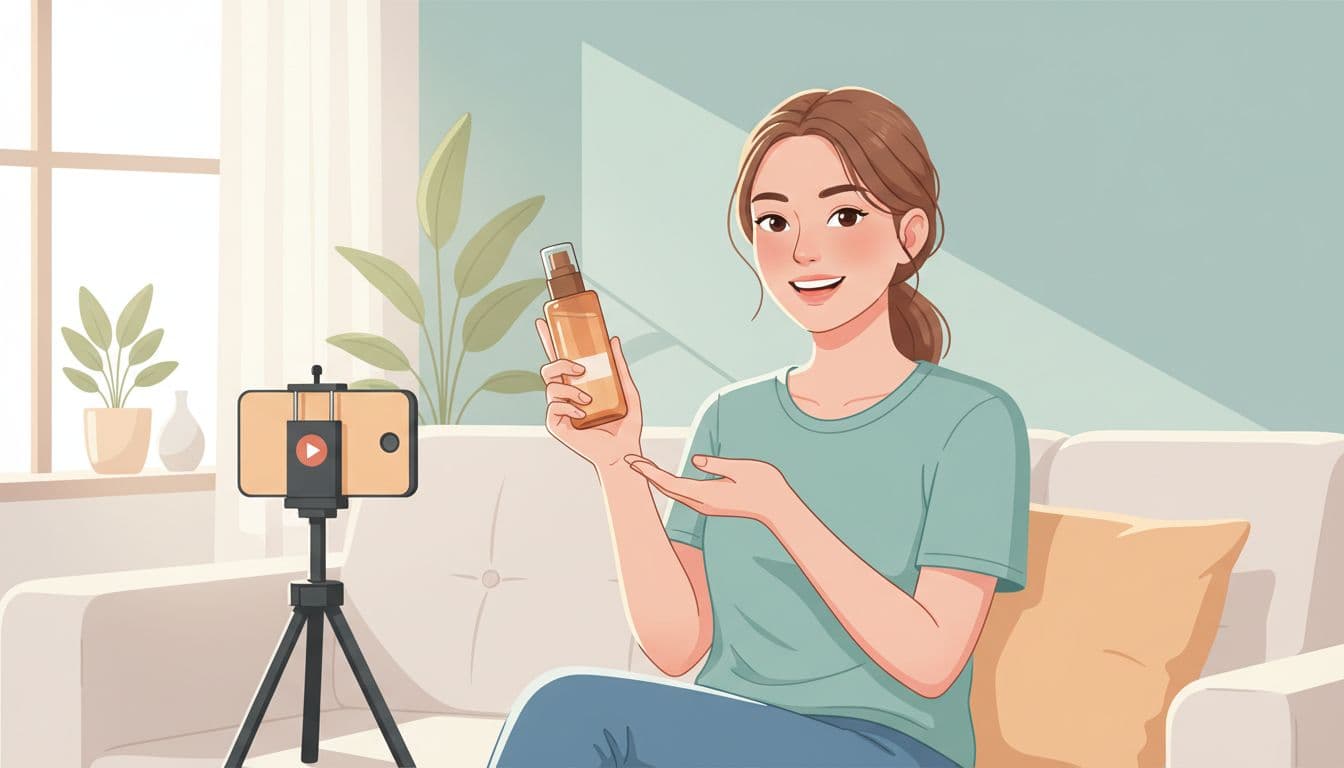
A few formats keep working because they match how people watch:
If the first second feels like proof, viewers stay. If it feels like a pre-roll ad, they leave.
Retention usually breaks at three moments, the opening, the middle drag, and the weak ending. So cut hard. Change angle every one to two seconds. Add Thai captions that mirror speech, not formal copy. End with a loop, a reveal, or a clear next action.
For deeper tactical thinking, this advanced Shorts guide for 2026 is a useful companion read.
Localization is not about swapping English for Thai. It's about tone, pacing, humor, and social cues.
Thai viewers notice when copy sounds imported. A stiff translation can flatten even a good idea. Instead, write lines people would say out loud. Keep captions short. Use natural Thai phrasing. Let silence, reaction, and facial expression carry part of the message.
Creator and UGC partnerships matter here because they supply that lived-in feel. But the brief should be lean. Give creators one job per clip. One video should prove texture. Another should prove taste. A third should answer price doubt. Don't ask one Short to do all three.
A beauty brand might work with one skincare creator for trust, then seed five UGC clips from everyday users. A beverage brand could use campus creators for discovery and office creators for lunch-hour relevance. Retail brands can mix influencer styling with shopper mirror videos. FMCG brands often win with household creators who show the product in real mess, not perfect lighting.
This is where many teams over-polish. Shorts don't need to look cheap, but they should feel close enough to touch.
Shorts should not sit alone. They work best when they feed search, creator commerce, marketplace demand, and paid media.
Think of the path like a night market. One clip pulls people in. Another gives proof. A third points them to the stall. In practice, that means syncing Shorts with branded search, marketplace promotions, LINE OA, store traffic pushes, and retargeting audiences built from video viewers.
A simple budget frame helps. Put about half of the spend into ideas, shooting, and editing. Reserve a quarter for creators or UGC. Keep the last quarter for paid testing and amplification. That way, you learn before you scale.
For paid support, adapt the creative for the placement. Don't cut a TVC into vertical and hope for the best. This YouTube Shorts ad guide for 2026 makes the same point clearly.
Measurement also needs a reset. Views matter, but they are the doorway, not the sale. Track early hold rate, average percentage viewed, rewatches, comment quality, brand search lift, assisted site traffic, and downstream sales signals. Public Thailand-specific Shorts benchmarks are still patchy in 2026, so your own baselines matter more than a borrowed average.
The strongest brands review Shorts weekly, not quarterly. They treat each post as a test of hook, proof, and intent.
The brands winning on Shorts in Thailand aren't shouting louder. They're showing faster, sounding more local, and connecting content to buying behavior.
Audit your last 20 Shorts with one question in mind: did each clip earn attention before asking for action? That answer will tell you what to fix next.


